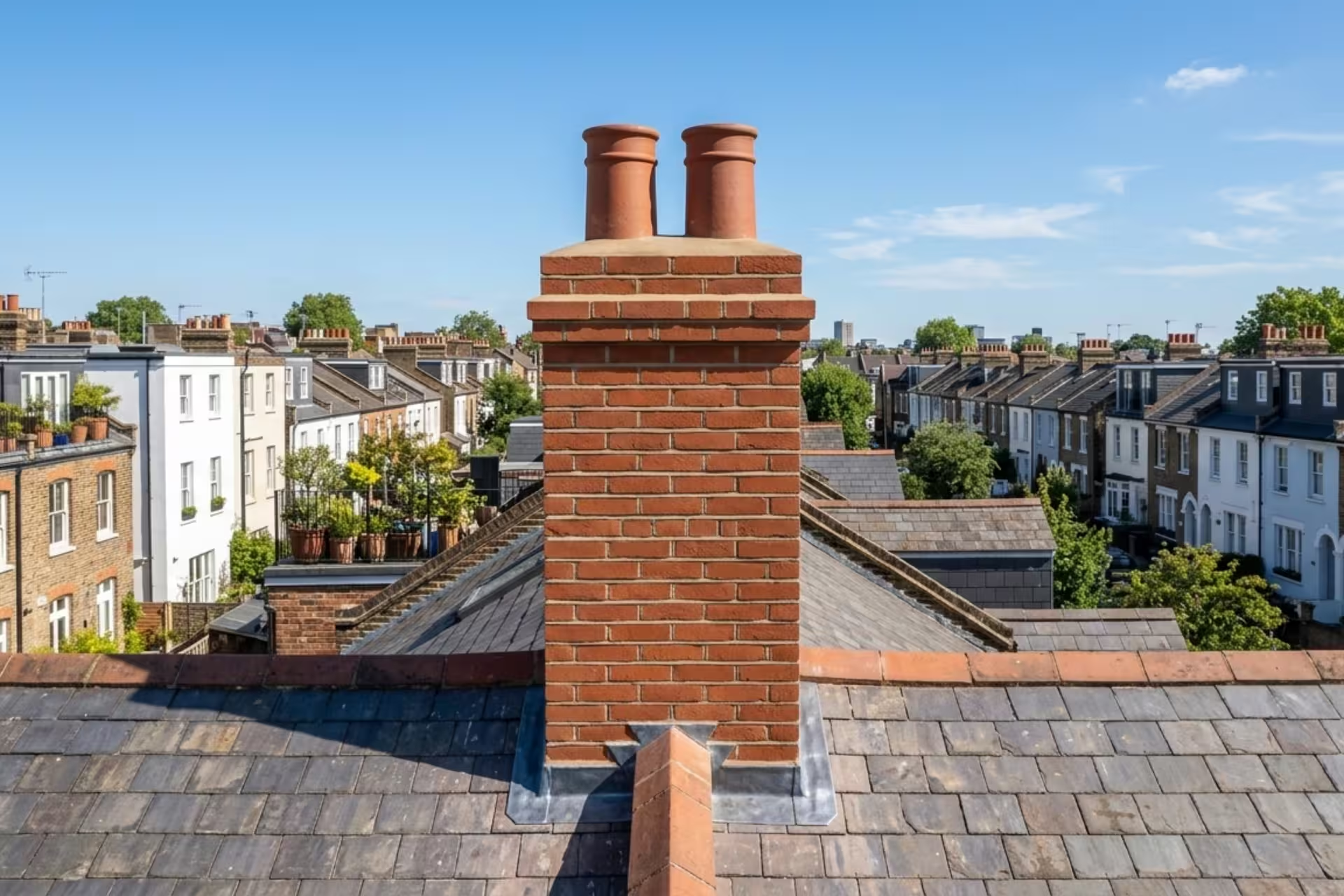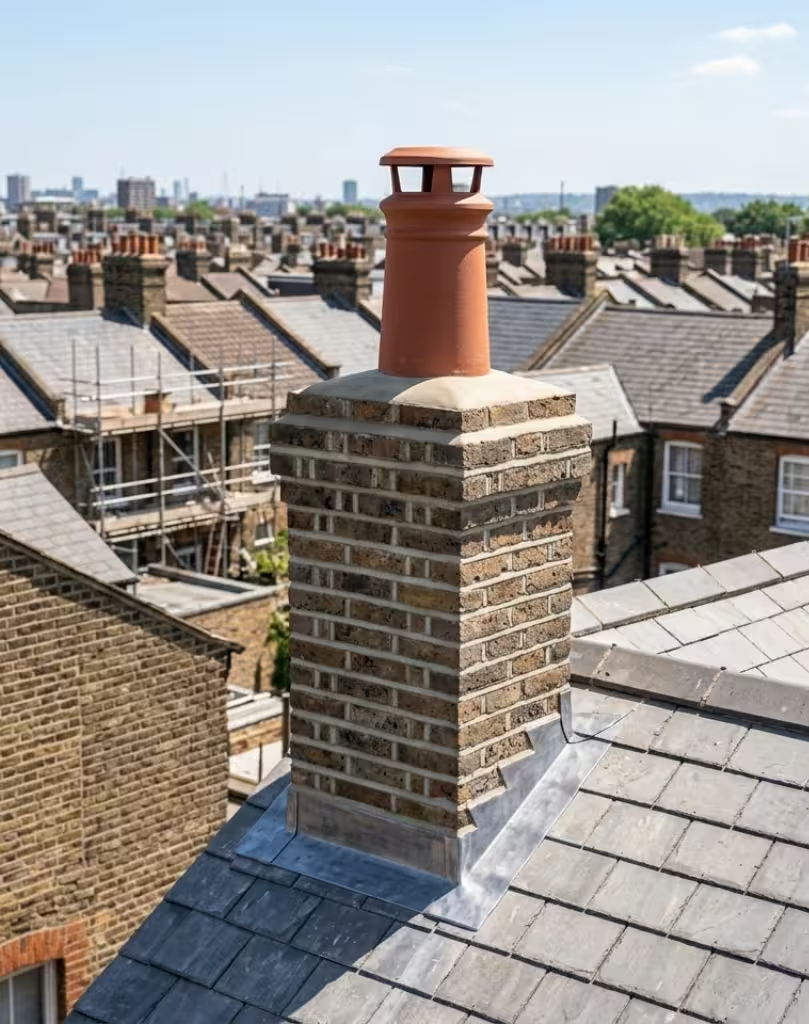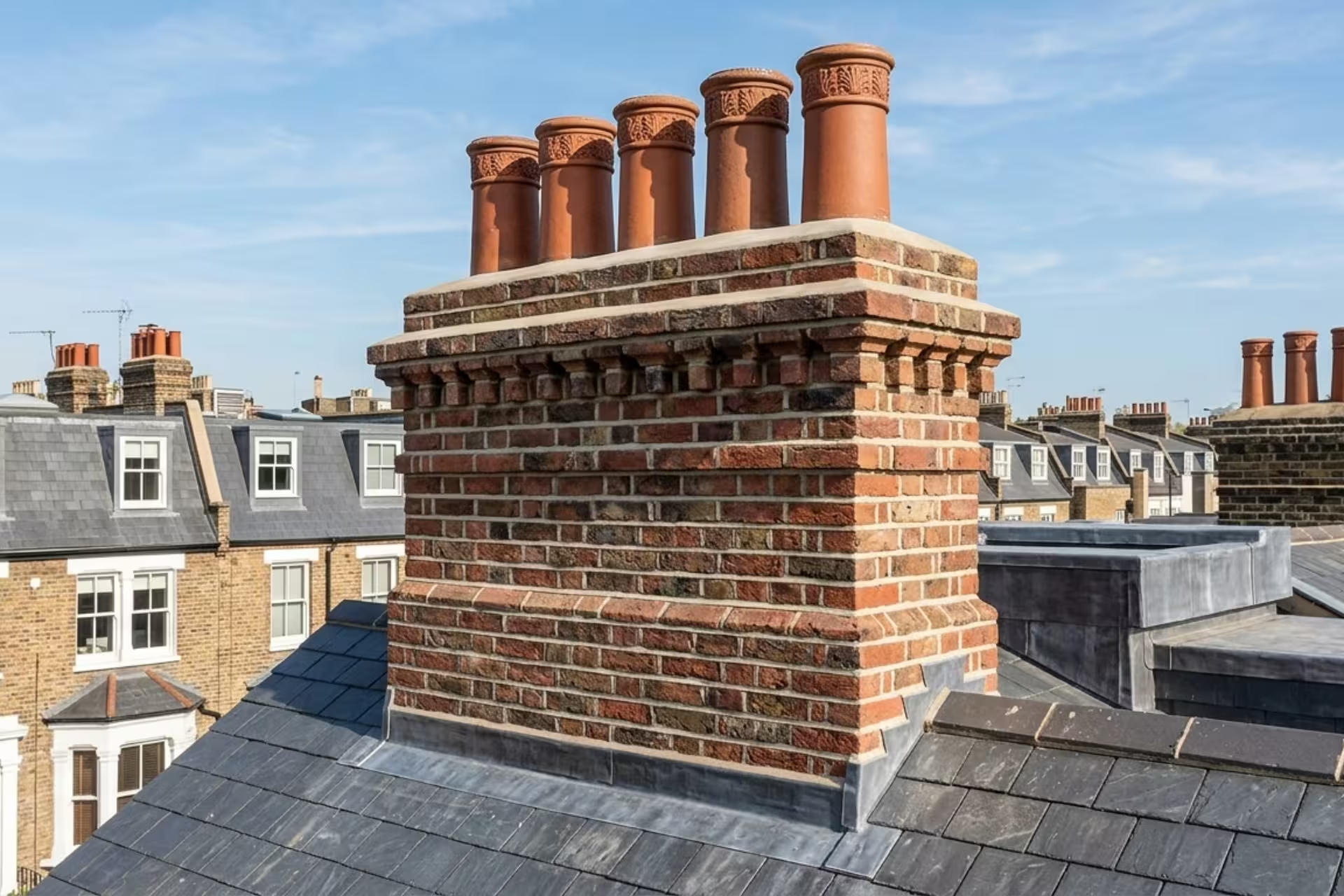
A leaking chimney can be frustrating, especially when damp patches, water stains or moisture around the chimney breast start appearing inside your home. Because chimney stacks sit above the roofline, they are exposed to rain, frost, wind and temperature changes all year round. Over time, this exposure can damage the brickwork, mortar joints, flaunching, chimney pots and surrounding roof details.
For many London homeowners, chimney leaks are not always easy to diagnose. Water may appear around the chimney breast, ceiling or fireplace, but the actual source of the leak could be higher up on the stack. It may come through cracked mortar, damaged bricks, failed flaunching, loose chimney pots, flashing issues or a combination of problems.
That is why the source of a chimney leak should always be checked properly before repair work begins. Simply patching the visible damp area indoors will not solve the issue if rainwater is still entering the chimney stack outside.
MR Chimney Repairs provides professional chimney leak repair in London, including chimney repairs North London, leaking chimney repair, chimney repointing, chimney flaunching repairs, chimney pot replacement and brickwork repairs. This guide explains the most common causes of chimney leaks and the repair options available.
Why Chimney Leaks Are Common in London
London has many older brick properties, period homes, terraced houses and converted buildings with traditional chimney stacks. These chimneys often face decades of weather exposure, previous repairs and general wear.
The Society for the Protection of Ancient Buildings explains that chimney stacks on older buildings often need more maintenance than less exposed masonry because they are so exposed to the weather, but they are often neglected because access is difficult. It also notes that erosion of mortar between chimney bricks or stones can contribute to dampness and instability.
Common reasons chimney leaks happen include:
- Cracked or missing mortar
- Damaged chimney bricks
- Failed chimney flaunching
- Loose or cracked chimney pots
- Worn flashing around the chimney
- Gaps around the chimney stack
- Poor previous repairs
- Weather damage to the top of the stack
- Blocked or exposed chimney openings
- General age-related deterioration
Because several issues can produce similar damp symptoms, a proper inspection is important before deciding what repair is needed.
Common Signs of a Leaking Chimney
A chimney leak may not always show as obvious dripping water. In many homes, the first sign is a damp patch or stain that appears after rainfall.
You may have a leaking chimney if you notice:
- Damp around the chimney breast
- Water stains on ceilings or upper walls
- Damp smells near the fireplace
- Moisture after heavy rain
- Peeling paint or bubbling plaster near the chimney
- Brown staining around the chimney area
- Crumbling plaster near the fireplace
- White staining on external chimney brickwork
- Loose mortar or falling debris
- Damp patches that return after drying out
If you are searching for water coming through chimney, damp around chimney breast or chimney leaks London, these signs usually mean the chimney and surrounding roof area need checking.
1: Cracked or Missing Mortar Joints
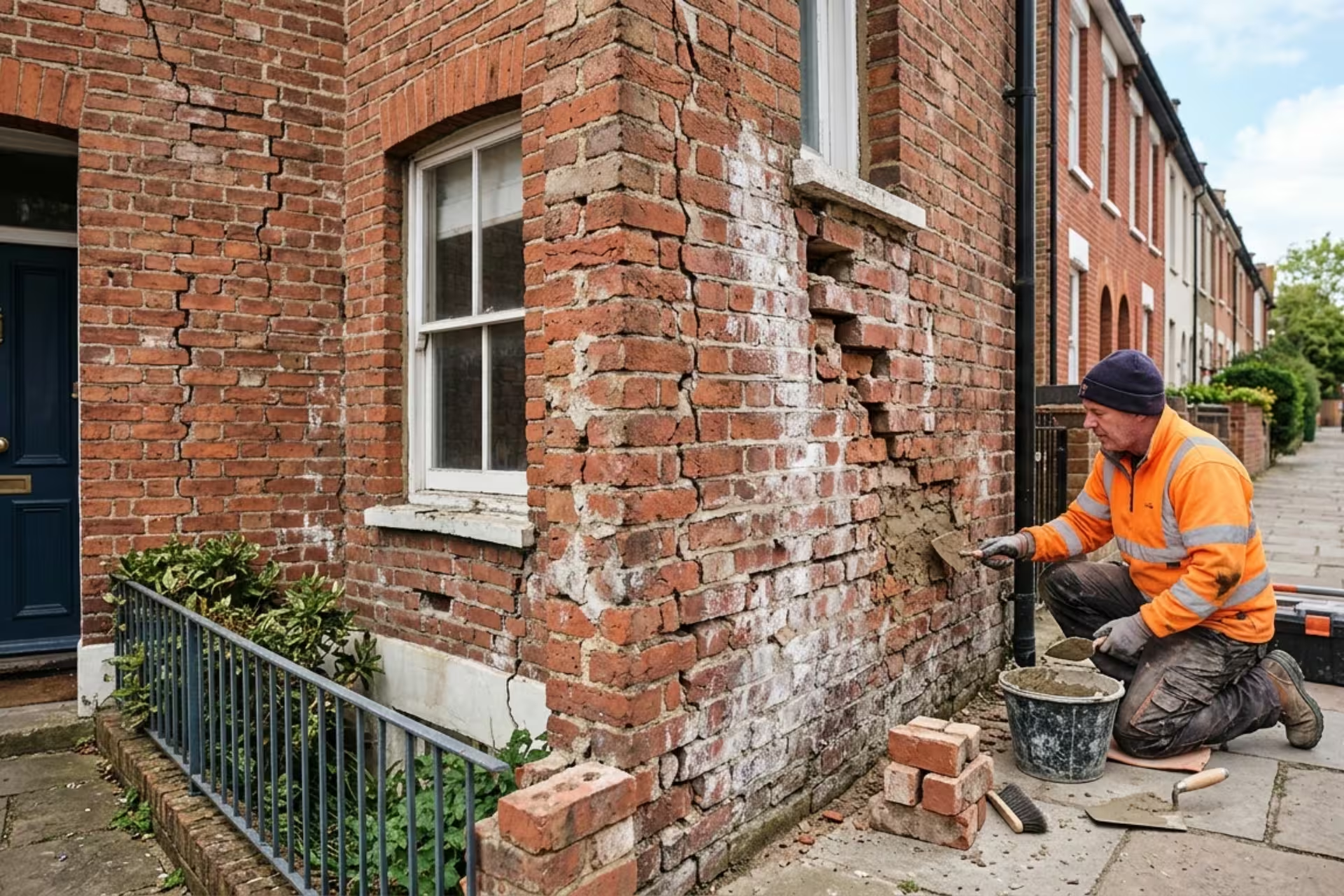
Failed mortar is one of the most common causes of chimney leaks. Mortar joints sit between the bricks and help keep the stack secure and weather-resistant. When mortar cracks, crumbles or falls away, rainwater can enter through the open joints.
This can lead to:
- Damp patches around the chimney breast
- Water soaking into the stack
- Loose brickwork
- Frost damage in colder months
- Further mortar erosion
- Long-term chimney deterioration
The top of a chimney stack and the weather-facing sides are especially vulnerable. SPAB notes that mortar joints at the top of the stack and on weather-facing sides are particularly prone to erosion, and that this deterioration can lead to dampness and instability.
H3: How cracked mortar is repaired
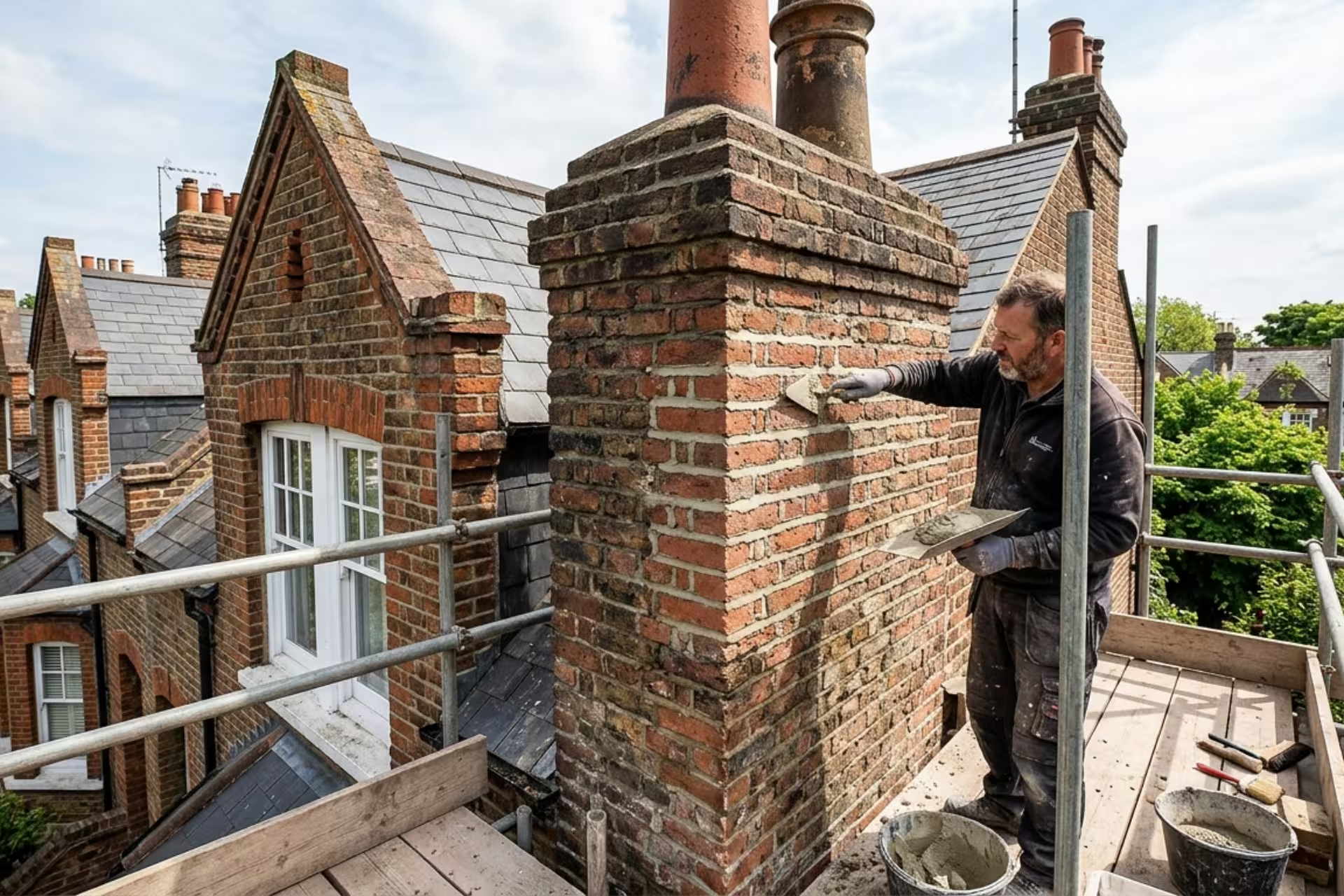
The usual repair is chimney repointing. This involves removing failed mortar and replacing it with suitable fresh mortar. If the chimney is otherwise stable, repointing can help reduce water ingress and protect the brickwork.
2: Damaged or Weathered Chimney Bricks
Chimney bricks can crack, loosen or deteriorate after years of rain, frost and wind exposure. Once brick faces begin to break down, they may absorb more water and allow moisture into the chimney stack.
Signs of damaged chimney bricks include:
- Cracked bricks
- Loose bricks
- Flaking or spalling brick faces
- Missing brick sections
- Brick fragments falling from the stack
- White staining on exterior masonry
- Damp patches inside the property
How damaged bricks are repaired
If only a few bricks are affected, individual brick replacement may be enough. If large sections of brickwork are loose or unstable, a partial chimney rebuild may be needed. Where possible, replacement bricks should be matched to the existing chimney so the repair blends with the property.
3: Failed Chimney Flaunching
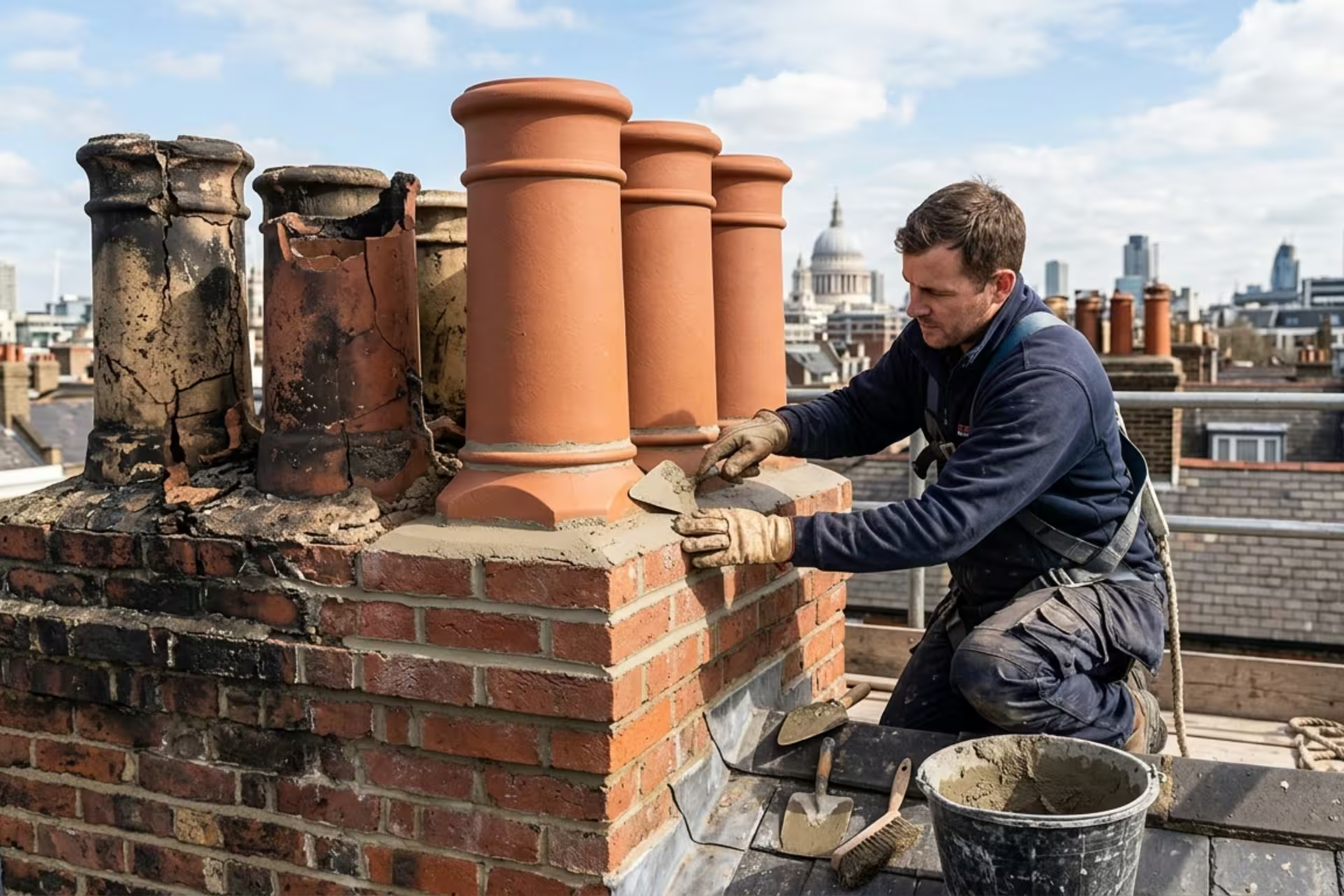
Flaunching is the sloped mortar at the top of the chimney stack around the chimney pots. Its job is to hold the pots in place and help rainwater run away from the chimney openings.
When flaunching cracks or breaks down, water can enter from the top of the stack. This is a common cause of chimney leaks.
You may have failed flaunching if:
- Mortar around chimney pots is cracked
- The chimney top looks uneven or broken
- Pieces of mortar are missing from around the pots
- Chimney pots look loose or tilted
- Water appears after heavy rain
- Damp develops around the chimney breast
SPAB guidance notes that chimney pots should remain well seated and secure, and that deterioration of the surrounding mortar or flaunching can make pots unstable.
How failed flaunching is repaired
Damaged flaunching can be repaired or renewed. If chimney pots are loose, they may need to be reset or replaced at the same time. A proper repair should allow water to shed away from the top of the stack.
4: Loose or Cracked Chimney Pots
Chimney pots sit at the highest point of the chimney and are constantly exposed to the weather. Over time, they can crack, loosen, lean or become unstable. When this happens, water can enter through gaps around the pot or through damaged flaunching.
Chimney pot problems may include:
- Cracked chimney pots
- Loose chimney pots
- Leaning chimney pots
- Missing mortar around the pot base
- Failed flaunching
- Open chimney tops allowing rain entry
- Storm-related pot movement
How chimney pot leaks are repaired
The repair depends on the condition of the pot. A sound but loose pot may be reset and repointed. A cracked or unsafe pot may need replacing. The surrounding flaunching should also be checked because chimney pot and flaunching problems often happen together.
5: Flashing Issues Around the Chimney
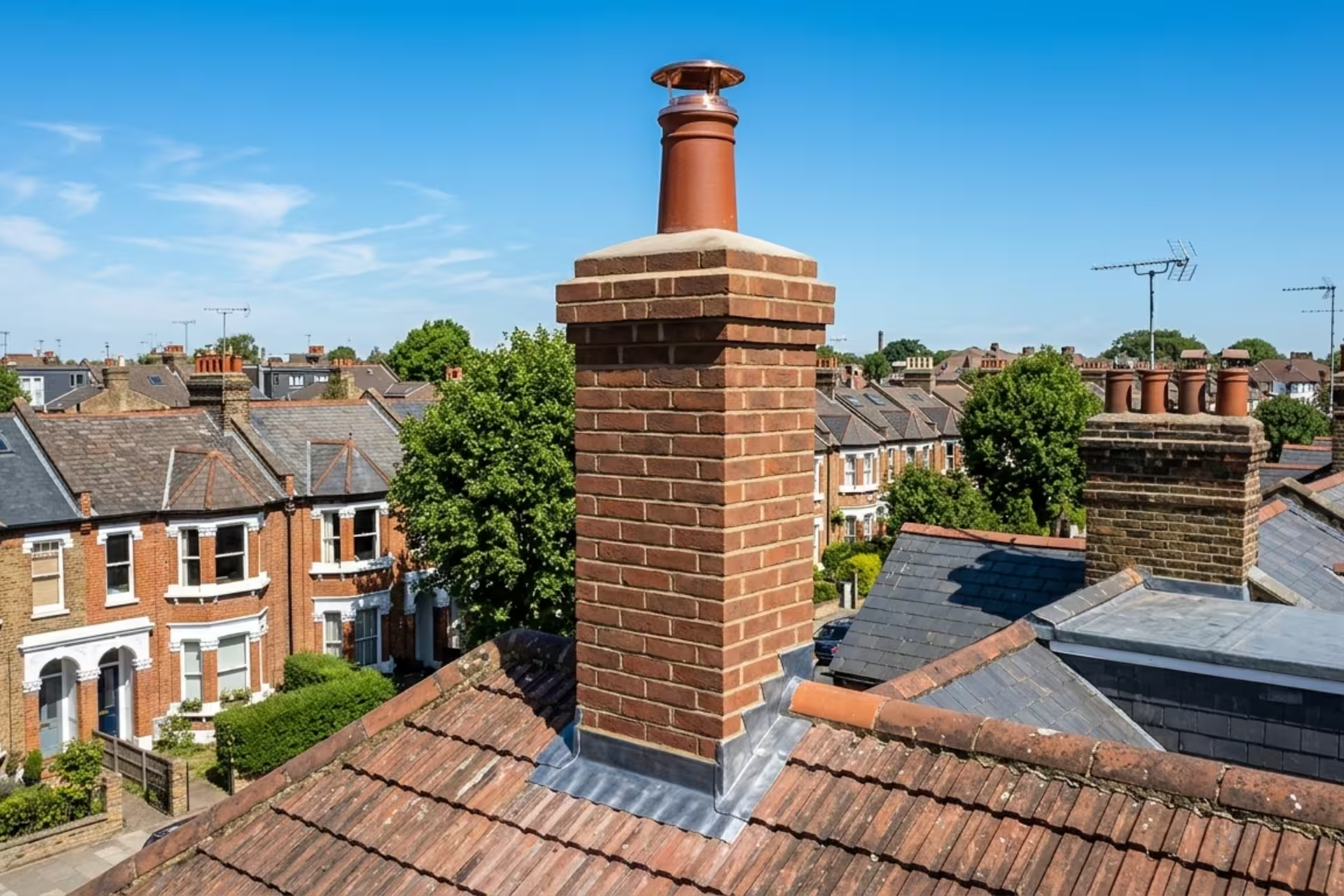
Flashing is the weatherproofing detail where the chimney meets the roof. If flashing is damaged, loose, poorly fitted or worn, rainwater can enter around the base of the chimney stack.
Flashing-related chimney leaks may cause:
- Damp near the chimney breast
- Water stains after rain
- Moisture where the chimney meets the roof
- Leaks that appear during wind-driven rain
- Damp that returns after internal decoration
How flashing-related leaks are repaired
Flashing repairs may involve resealing, repairing or renewing the weatherproofing around the chimney. It is important to confirm whether the leak is coming from the flashing, mortar joints, flaunching or chimney pots before starting work.
6: Poor Previous Chimney Repairs
Poor previous repairs can also cause chimney leaks. Sometimes old repairs use unsuitable materials, quick patching or surface-level fixes that fail after a short time.
Signs of poor previous repairs include:
- Cracked cement patches
- Messy or uneven pointing
- Mortar falling out again
- Damp returning after repairs
- Flaunching cracking again
- Chimney pots becoming loose again
- Brick faces damaged near hard mortar
Older chimneys need careful repair. Historic England advises that understanding what older walls are made of and how they are constructed is a good starting point for effective repairs.
H3: How failed previous repairs are fixed
The failed repair should be removed where appropriate and the underlying cause should be dealt with properly. This may involve repointing, brick replacement, flaunching repair, chimney pot resetting or more detailed chimney repairs.
Why the Source of a Chimney Leak Must Be Checked Properly
A chimney leak should not be guessed at. Water can travel through brickwork, mortar joints and roof details before appearing inside the property. This means the damp patch you see indoors may not be directly below the actual leak source.
A proper chimney leak check should look at:
- Mortar joints
- Chimney brickwork
- Chimney pots
- Flaunching
- Flashing
- Chimney top condition
- Signs of movement or cracks
- Previous repair work
- Damp patterns inside the property
- Roof access and safety requirements
Guessing the cause can lead to wasted money. For example, repointing will not fix a leak caused by failed flashing, and flashing repair will not solve water entering through cracked flaunching or loose chimney pots.
Chimney Leak Repair Options
The right chimney leak repair depends on the cause. In many cases, more than one repair may be needed.
Common repair options include:
Chimney Repointing
Used when water is entering through cracked, loose or missing mortar joints.
Chimney Brickwork Repairs
Used when bricks are cracked, loose, spalling or damaged by weather.
Chimney Flaunching Repairs
Used when the sloped mortar around chimney pots is cracked, loose or allowing water in.
Chimney Pot Repairs or Replacement
Used when chimney pots are cracked, loose, leaning, missing or unstable.
Flashing Repairs
Used when water is entering where the chimney stack meets the roof.
Partial Chimney Rebuilds
Used when the upper section of the chimney is too damaged or unstable for basic repair.
Full Chimney Stack Rebuilds
Used when the chimney is leaning, severely cracked, unstable or widely weather-damaged.
Can a Leaking Chimney Cause Structural Problems?
Yes, if the leak is left untreated. Water entering a chimney stack can gradually weaken mortar joints, damage bricks and cause damp inside the home. In colder weather, moisture trapped in brickwork can contribute to frost damage, which may make brick faces break down faster.
A leaking chimney can lead to:
- Loose chimney bricks
- Crumbling mortar
- Internal damp patches
- Damaged plaster
- Staining and decoration damage
- Flaunching failure
- Chimney pot instability
- Wider chimney stack deterioration
- Need for future rebuilding
Early leak repair can often prevent more serious work later.
Do Chimney Leak Repairs Need Scaffolding?
Many chimney leak repairs require scaffolding because the work is carried out above roof level. This is especially common for repointing, flaunching repairs, chimney pot replacement, flashing work and chimney rebuilds.
The Health and Safety Executive states that roof work is highly dangerous, even when a job only takes a few minutes, and proper precautions are needed to control the risk. HSE guidance also explains that ladders should only be used where a risk assessment shows that equipment offering a higher level of fall protection is not justified.
Scaffolding may be required for:
- Chimney repointing
- Flaunching repairs
- Chimney pot replacement
- Flashing repairs
- High-level brickwork repairs
- Partial chimney rebuilds
- Full chimney stack rebuilding
- Repairs on steep or difficult roofs
Safe access helps the repair work be completed properly and reduces risk during the job.
Do Chimney Leak Repairs Need Planning Permission?
Many like-for-like chimney repairs are maintenance work and do not normally need planning permission. However, planning rules may need checking if the chimney, flue or external appearance is being altered, or if the property is listed, in a conservation area or a flat.
The Planning Portal states that fitting, altering or replacing an external flue, chimney or soil and vent pipe is normally considered permitted development, not requiring planning permission, provided certain rules and conditions are met.
You should check further if:
- The property is listed
- The property is in a conservation area
- The chimney height or appearance is changing
- The property is a flat or converted building
- A shared chimney stack is involved
- Structural chimney removal is planned
For standard leak repair, many homeowners will not need planning permission, but it is always sensible to check if there are restrictions.
Chimney Leak Repairs for Older London Homes
Older London homes often need extra care because the chimney may have traditional brickwork, older mortar, previous repairs or period chimney pots. Areas such as Hampstead, Highgate, Finchley, Crouch End, Muswell Hill, West Hampstead, Swiss Cottage, Cricklewood and Willesden include many properties where chimney leaks should be handled carefully.
Older chimneys may suffer from:
- Worn mortar joints
- Weathered brickwork
- Failed previous cement repairs
- Loose chimney pots
- Cracked flaunching
- Damp around chimney breasts
- Leaks from multiple sources
- Older roofline details
A careful inspection helps identify whether the chimney needs repointing, brickwork repairs, flaunching repair, pot replacement, flashing work or rebuilding.
How MR Chimney Repairs Can Help
MR Chimney Repairs provides professional chimney leak repairs across London and North London. Our services include:
- Chimney leak repair
- Chimney repairs
- Chimney repointing
- Chimney brickwork repairs
- Chimney flaunching repairs
- Chimney pot repairs
- Chimney pot replacement
- Flashing-related chimney repairs
- Partial chimney rebuilds
- Full chimney stack rebuilds
- Scaffolding support for chimney work
Based at 2 Caddington Rd, London NW2 1SR, MR Chimney Repairs is led by Michael Rock, who has more than 35 years of personal experience in chimney, brickwork and pointing services. The family business has more than 50 years of trade history, serving North London and surrounding areas.
We cover Cricklewood, Willesden, Hampstead, West Hampstead, Swiss Cottage, Finchley, East Finchley, Golders Green, Hendon, Highgate, Hornsey, Crouch End, Muswell Hill, Barnet, Edgware, Harrow, Kenton, Stanmore, Middlesex, Acton, Ealing and wider North London.
Book Chimney Leak Repair in London
If you have damp around your chimney breast, water coming through the chimney, internal staining or signs of chimney damage, MR Chimney Repairs can help identify the likely cause and recommend the right repair.
For trusted chimney leaks London, leaking chimney repair, chimney leak repair London and chimney repairs North London, contact MR Chimney Repairs today.
Call: 07751362934
Email: info@mrchimneyrepairs.co.uk
Address: 2 Caddington Rd, London NW2 1SR, United Kingdom