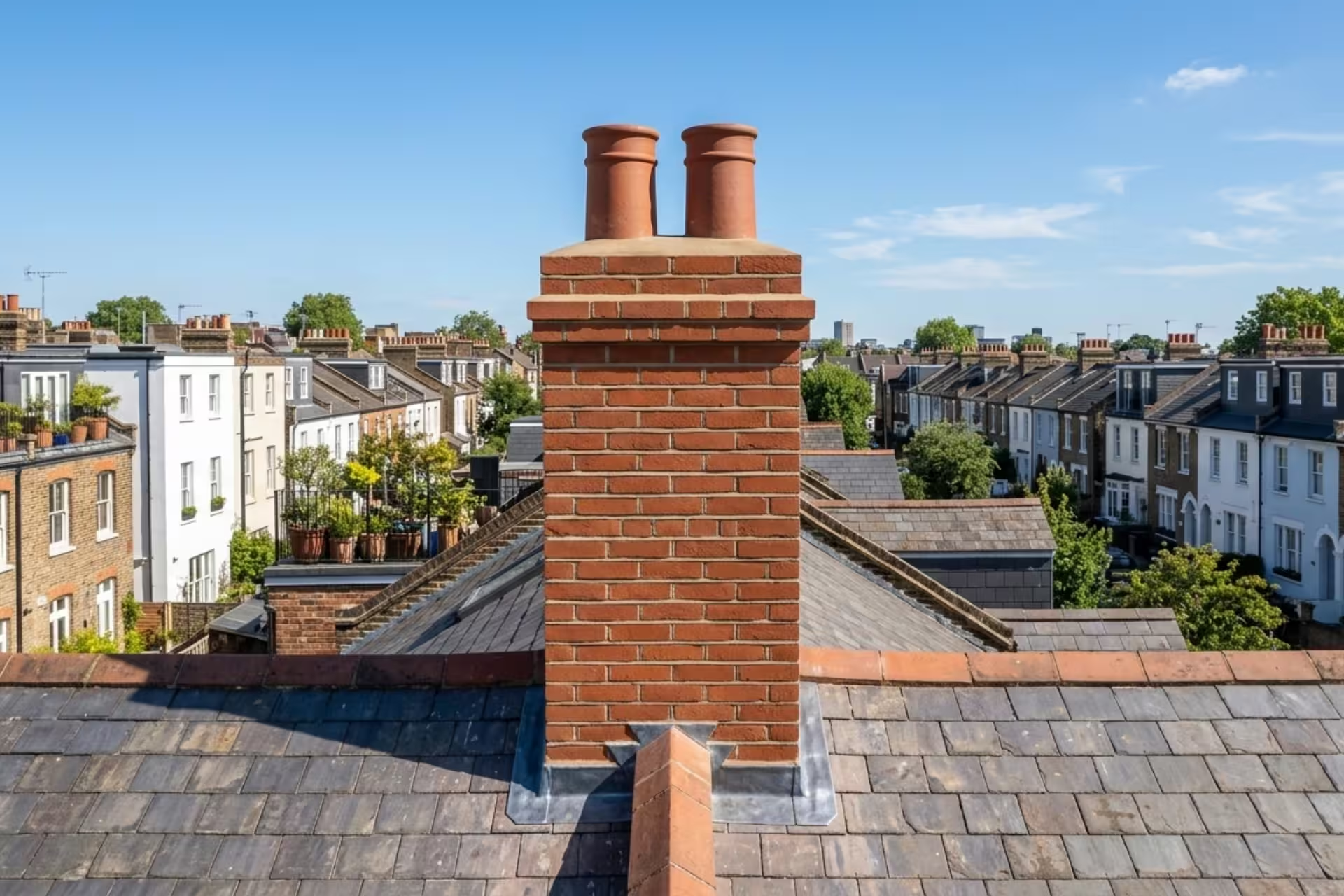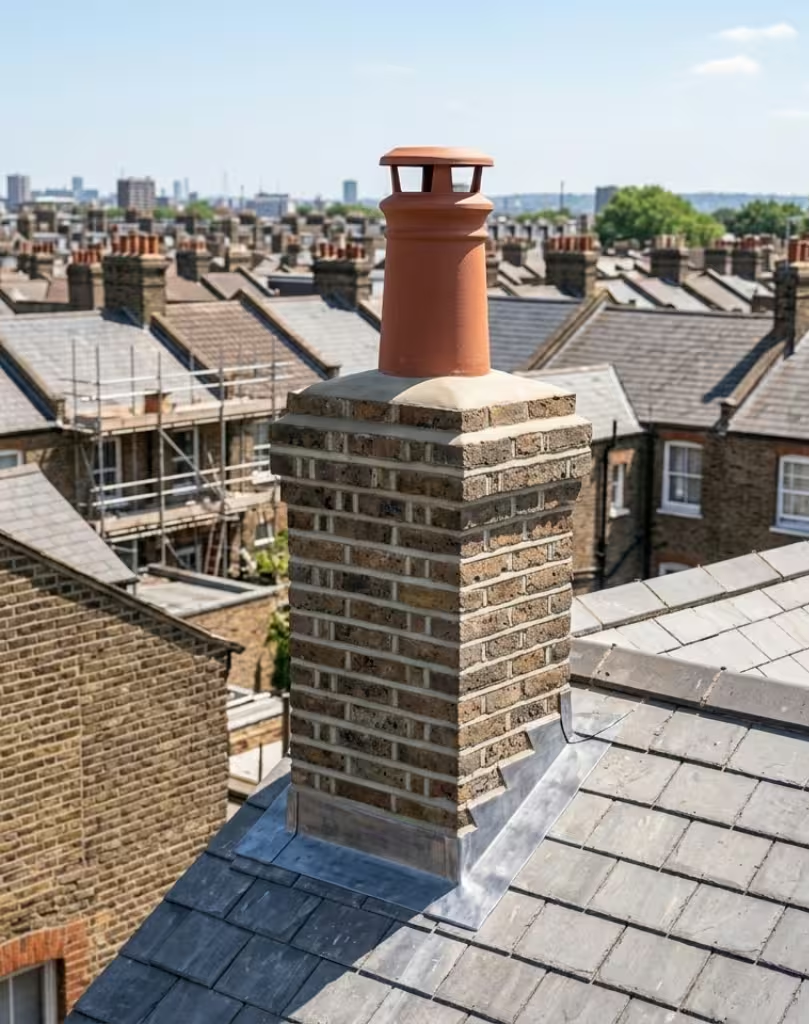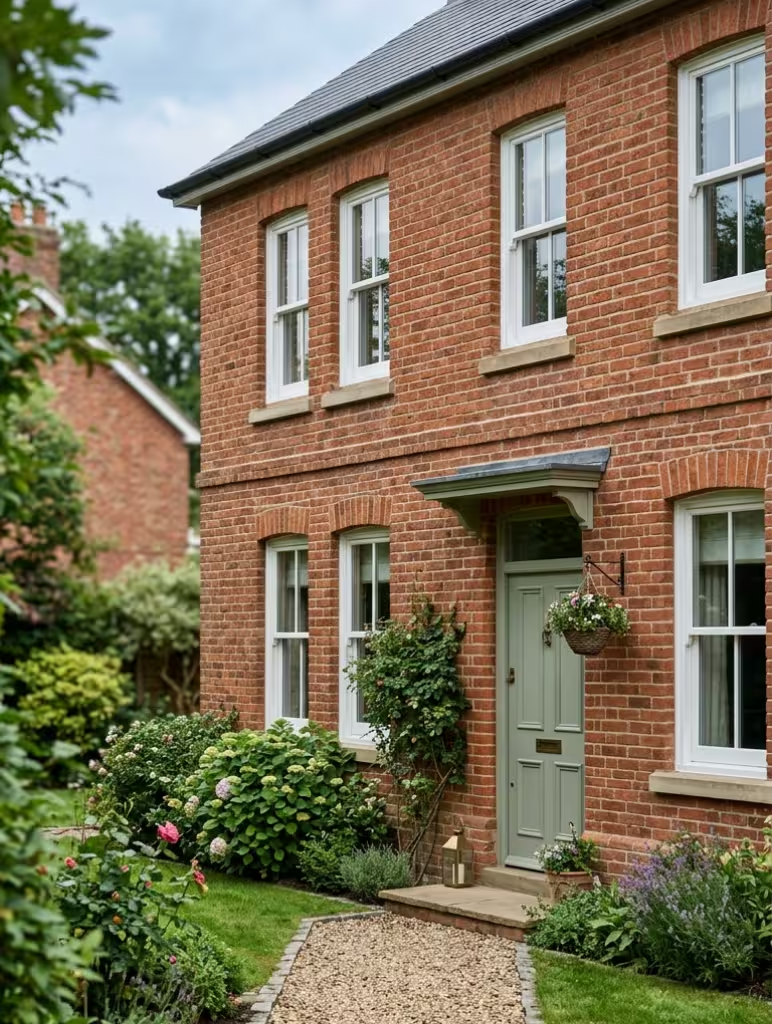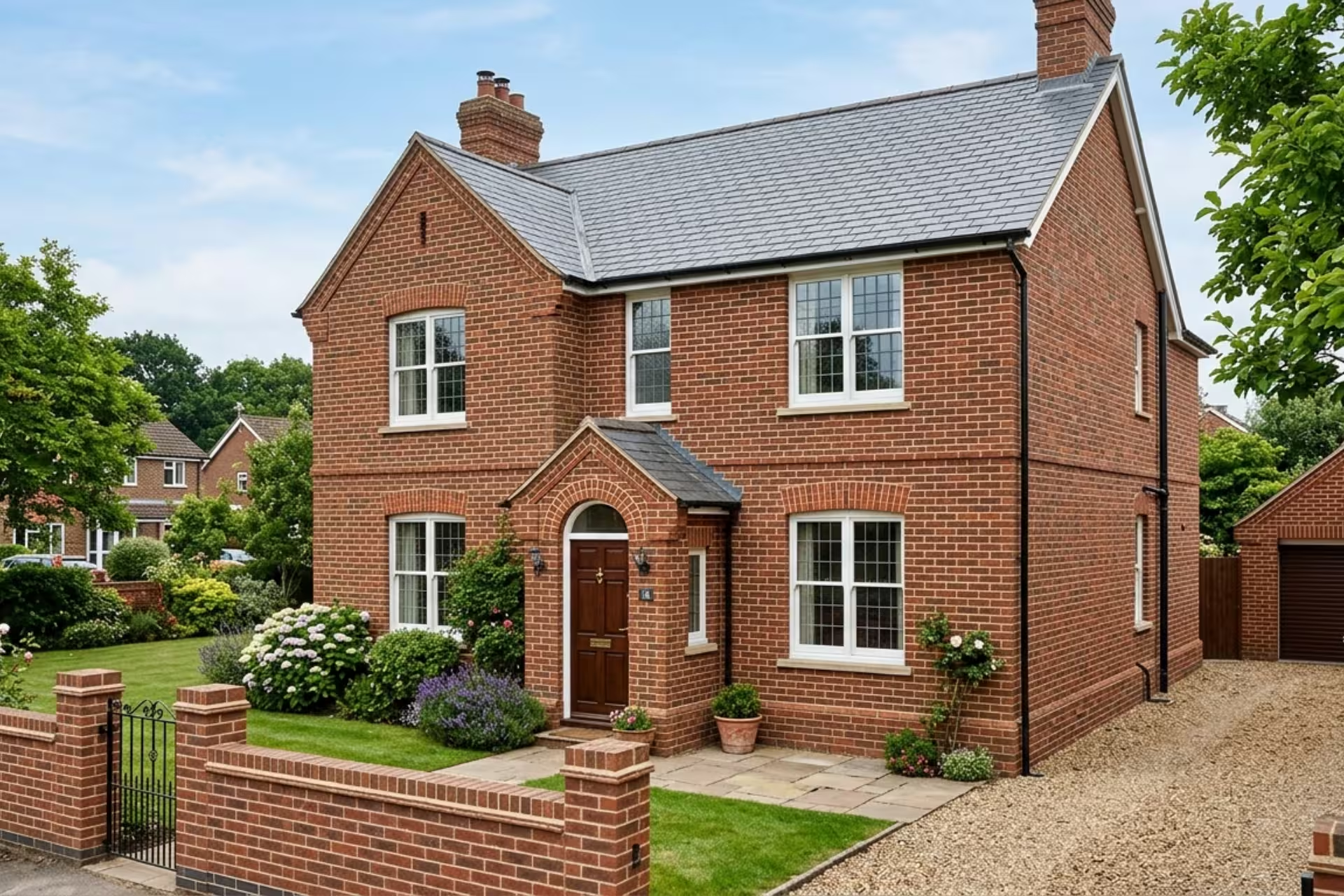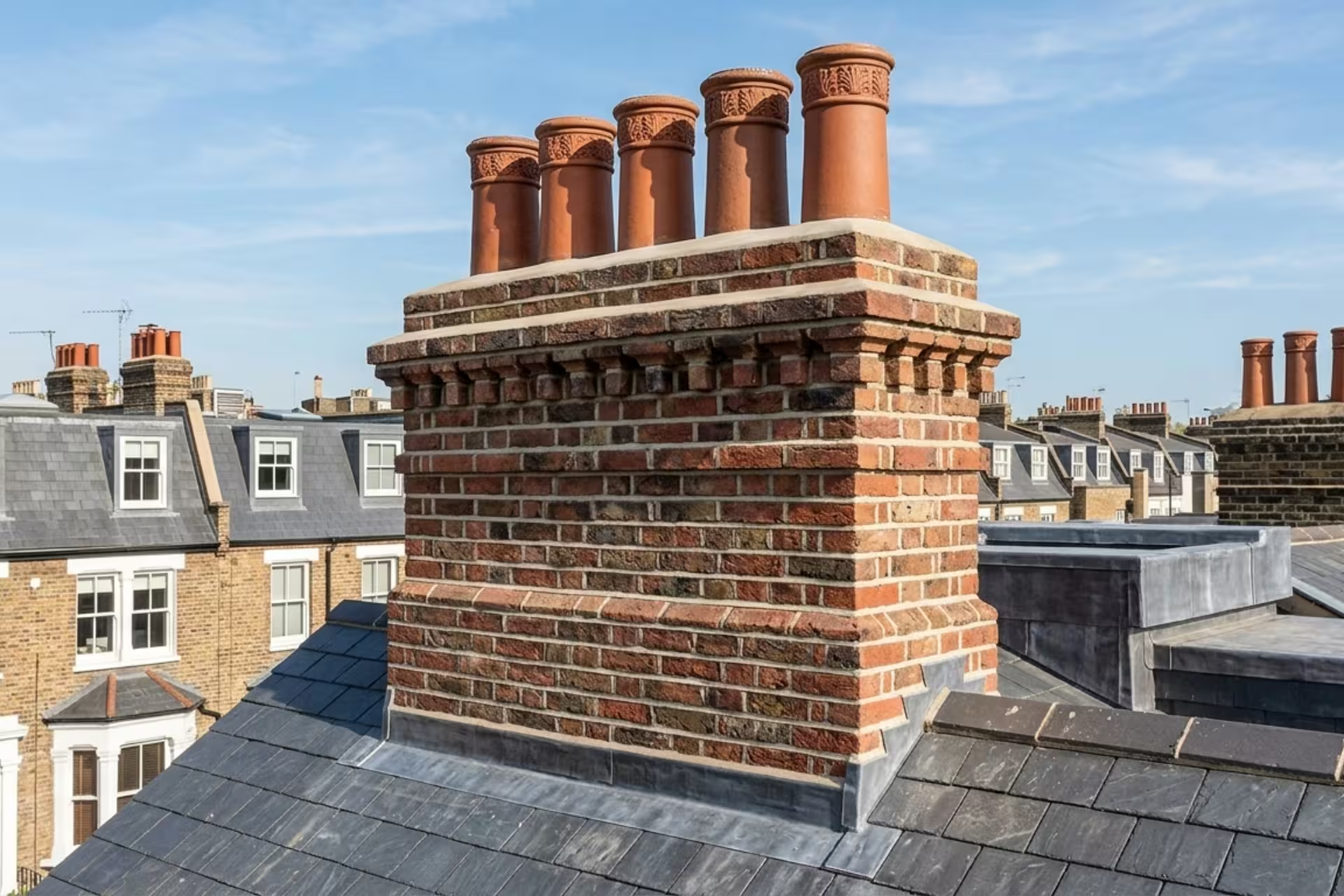
Exterior brickwork is one of the most important parts of a property. It protects the building from weather, supports the structure and plays a major role in how the home looks from the outside. But like any exposed building material, brickwork can become damaged over time.
Across London, many properties have older brick walls, garden walls, boundary walls, parapets, chimney brickwork and roofline masonry that face rain, frost, wind, pollution and general ageing. Small issues such as cracked bricks, loose mortar or weather-damaged masonry may not seem urgent at first, but they can lead to damp, loose brickwork and more serious repair needs if ignored.
MR Chimney Repairs provides professional brickwork repairs in London, including brick repairs London, masonry repairs London, cracked brick repair, damaged brickwork London and brickwork repairs North London. Alongside chimney repairs, we also repair exterior walls, garden walls, boundary walls and high-level brickwork.
This guide explains the main signs your exterior brickwork needs attention and why early repair can help protect your property.
Why Exterior Brickwork Gets Damaged
Brickwork is strong, but it is constantly exposed to the weather. Over time, rainwater can enter through cracked bricks, failed mortar joints or gaps in the masonry. In older properties, previous unsuitable repairs can also make deterioration worse.
Historic England explains that understanding what older walls are made from and how they were constructed is a good starting point for effective repairs. This is especially important for older brick homes, where traditional materials may need careful handling.
Common causes of exterior brickwork damage include:
- Rainwater entering open joints
- Frost damaging wet bricks
- Failed or missing mortar
- Movement in walls
- Poor previous repairs
- Hard cement repairs on older masonry
- Damaged copings or wall tops
- Plant growth in joints
- Age-related weathering
- High-level exposure near chimneys and rooflines
SPAB advises that when old brickwork deteriorates, it is important to establish the cause first and keep remedial work to what is necessary. This helps prevent the issue from returning and avoids unnecessary loss of original building fabric.
1. Cracked Bricks
Cracked bricks are one of the clearest signs that your brickwork needs repair. A single cracked brick may seem minor, but cracks can allow rainwater into the wall. Once moisture gets into the brickwork, the surrounding masonry may begin to deteriorate more quickly.
You may need cracked brick repair in London if you notice:
- Cracks through individual bricks
- Split or broken brick faces
- Bricks with missing corners
- Horizontal or vertical cracks in walls
- Cracked bricks around windows or doors
- Cracks near garden walls or boundary walls
- Cracked chimney brickwork
Cracked bricks can often be replaced individually if the surrounding structure is stable. If cracks run through larger sections of wall, the cause should be checked properly before repair work begins.
2. Loose or Missing Mortar
Mortar joints hold bricks together and help protect the wall from water ingress. When mortar becomes cracked, loose, powdery or missing, water can enter the wall more easily.
Signs of failed mortar include:
- Gaps between bricks
- Crumbling mortar
- Mortar falling onto the ground
- Loose pointing
- Powdery joints
- Moss or weeds growing from joints
- Uneven or recessed mortar lines
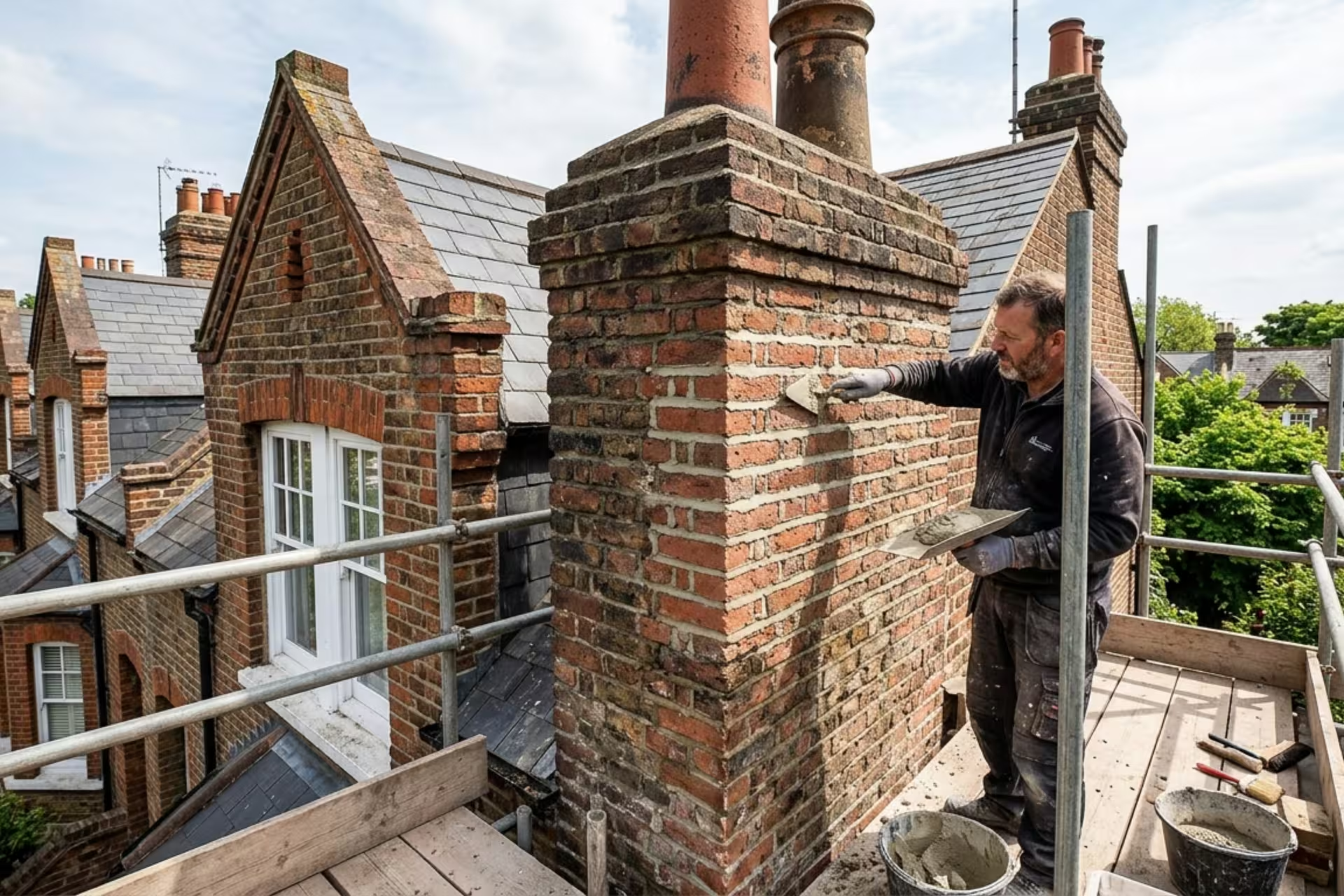
Historic England’s repointing guidance is designed to help homeowners understand the key stages and issues involved in repointing older brick and stone walls.
If the bricks are still sound but the mortar has failed, repointing may be enough. This involves removing defective mortar and replacing it with suitable fresh mortar.
3. Loose Brickwork or Moving Masonry
Loose masonry should never be ignored. If bricks move when touched, sections of wall are bulging, or masonry appears unstable, the wall may need urgent attention.
Loose brickwork may appear on:
- Garden walls
- Boundary walls
- Chimney stacks
- Parapet walls
- Exterior house walls
- Roofline masonry
- Brick pillars
- Wall tops and copings
Loose masonry can become a safety risk, especially where it is high up or close to public areas, driveways, paths or neighbouring properties. Depending on the condition, repair may involve resetting loose bricks, repointing mortar joints or rebuilding a small unstable section.
4. Weather-Damaged Brick Faces
Weather-damaged brickwork is common in London, especially on exposed elevations, garden walls, chimney stacks and boundary walls. Brick faces may begin to flake, crumble or break away after years of rain, frost and pollution exposure.
You may notice:
- Flaking brick faces
- Soft or powdery brick surfaces
- Spalling bricks
- Crumbling edges
- Uneven surface damage
- Bricks that absorb water quickly
- Patches of brickwork that look more worn than others
Water is one of the main reasons masonry deteriorates. Historic England notes that water can enter buildings through weak points such as defective or decayed materials and cracks in masonry.
Weather-damaged bricks may need individual replacement. If wider sections of wall are affected, the surrounding mortar, wall top and drainage should also be checked.
5. Damp Patches Near Brick Walls
Damp inside or around exterior walls can be linked to damaged brickwork, failed mortar or water entering through cracks. Not every damp issue is caused by brick damage, but exterior masonry should be checked when damp appears near an outside wall.
Warning signs include:
- Damp patches on internal walls
- Peeling paint near external brickwork
- Bubbling plaster
- White staining on brickwork
- Musty smells
- Damp near chimney breasts
- Moisture after heavy rain
Damaged brickwork can allow water to enter the wall structure. Historic England explains that water can find its way through weak points in the building envelope, including decayed materials and cracks in masonry.
A proper inspection helps confirm whether the damp is coming from cracked brickwork, failed pointing, damaged roofline details, gutters, ground levels or another source.
6. Garden Wall Damage
Garden walls are exposed to weather on both sides, making them more vulnerable than many house walls. They may also be affected by soil pressure, poor drainage, tree roots, frost and general movement.
You may need garden wall repairs if you notice:
- Cracked bricks
- Loose coping stones
- Leaning wall sections
- Missing mortar
- Loose or wobbly bricks
- Bulging masonry
- Frost-damaged brick faces
- Sections separating from pillars
A damaged garden wall should be repaired before loose sections become unsafe. Small repairs may include repointing or replacing damaged bricks. Larger problems may require rebuilding a section of the wall.
7. Boundary Wall Issues
Boundary walls often sit close to pavements, driveways, gardens and neighbouring properties. If they become unstable, they can become a safety concern.
Common boundary wall problems include:
- Leaning walls
- Cracked brickwork
- Loose masonry
- Failed mortar joints
- Damaged wall tops
- Water-damaged bricks
- Movement near posts or pillars
- Tree-root related damage
If a boundary wall is leaning or visibly moving, it should be assessed as soon as possible. Repointing may not be enough if the structure itself has shifted or become unstable.
8. Chimney Brickwork Damage
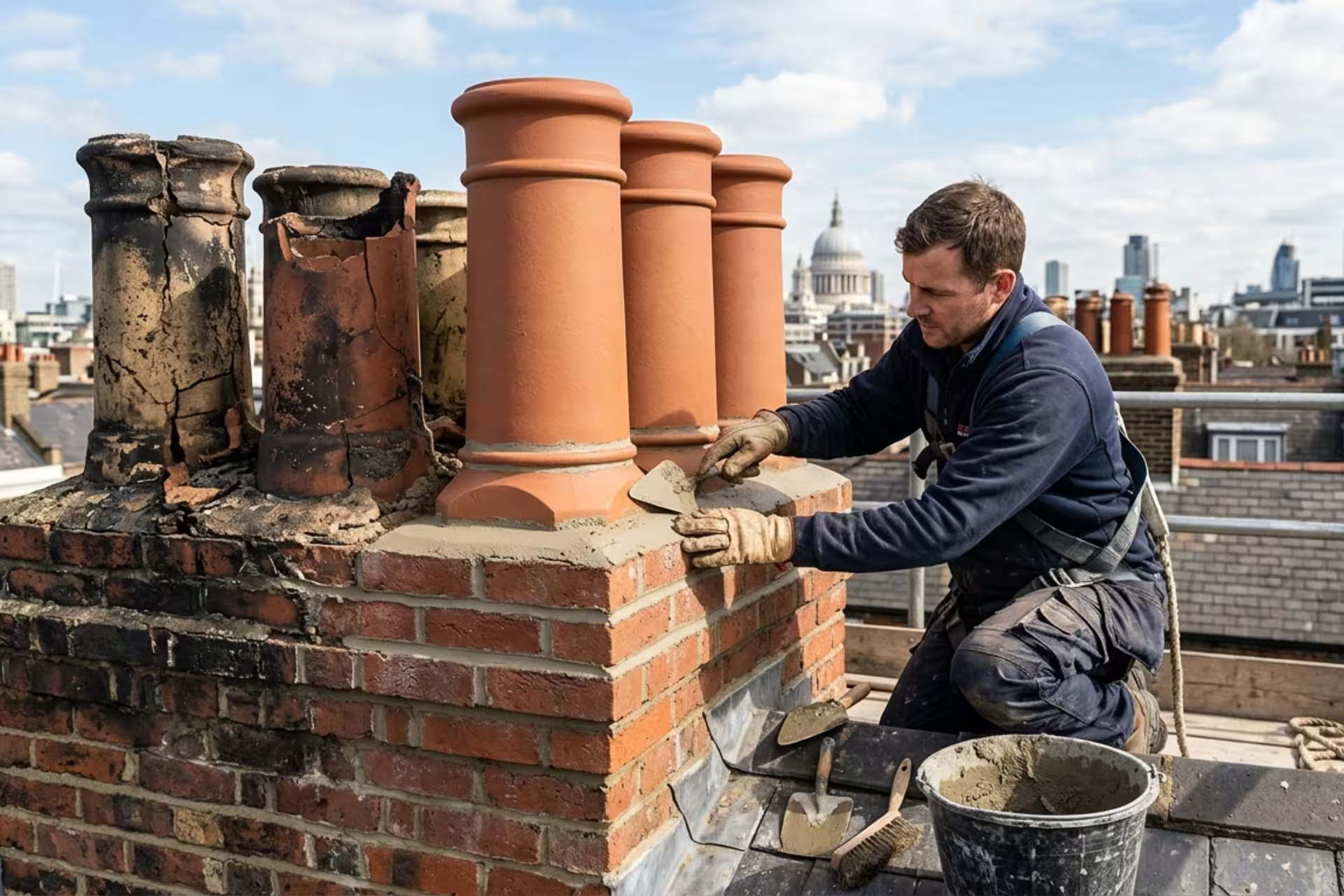
Although this blog focuses on exterior brickwork outside the chimney, chimney brickwork is closely connected. Chimney stacks are among the most exposed brickwork areas on a property, so damage there can happen faster than on lower walls.
Chimney brickwork problems may include:
- Cracked chimney bricks
- Loose chimney masonry
- Failed mortar joints
- Weather-damaged upper courses
- Damaged flaunching around chimney pots
- Leaning chimney stacks
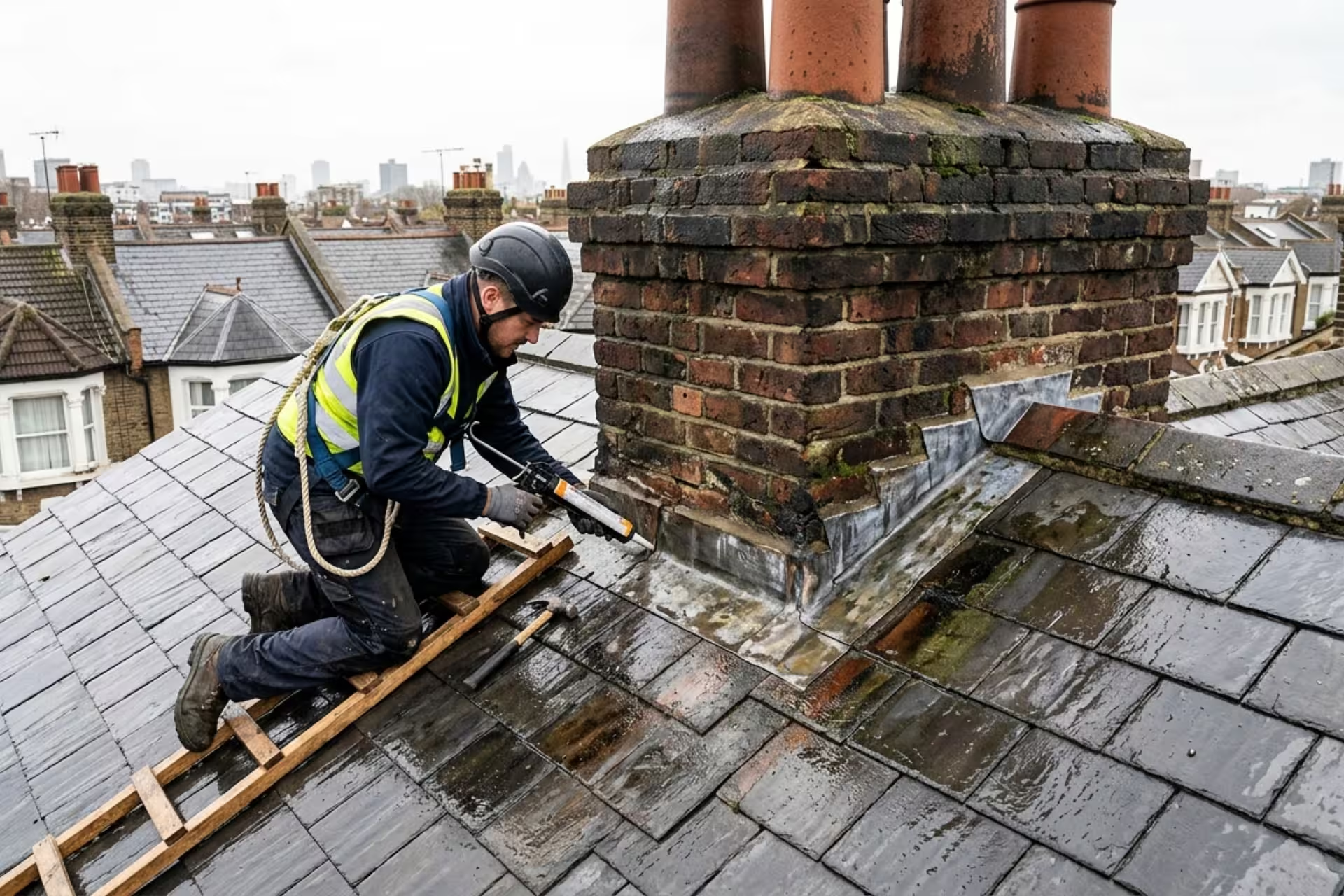
- Water ingress around chimney breasts
SPAB notes that chimney stacks often need more frequent maintenance than less exposed masonry because they are highly exposed to weather and are often neglected due to difficult access.
MR Chimney Repairs can connect general brickwork repairs with chimney brickwork repairs, helping protect both walls and chimney stacks.
9. Failed Previous Brick Repairs
Poor previous repairs are a common reason brickwork problems return. Quick patching, unsuitable mortar or repairs that do not address the cause of deterioration may fail after a short time.
Signs of failed previous repairs include:
- Cement patches cracking away
- Mortar falling out again
- Brick faces damaged around hard mortar
- Repairs that do not match the wall
- Damp returning after previous work
- Uneven or messy pointing
- Cracks reopening
Historic England notes that cement-rich mortars can worsen deterioration in masonry by holding moisture in for longer, while weaker porous lime-based mortar can help walls dry out in suitable traditional contexts.
For older London homes, it is important to use repair methods suited to the property’s age, brickwork and existing materials.
10. High-Level Brickwork and Parapet Damage
High-level brickwork, parapet walls and roofline masonry often suffer from weather exposure. These areas may be harder to inspect from ground level, so damage can go unnoticed.
Signs of high-level brickwork damage include:
- Loose bricks near the roofline
- Cracked parapet walls
- Missing mortar at upper levels
- Water staining below roofline brickwork
- Damaged copings
- Brickwork movement around chimney areas
- Masonry debris on flat roofs or gutters
High-level brickwork repairs may require scaffolding. The Health and Safety Executive states that roof work is highly dangerous and that proper precautions are needed to control risk, including edge protection and suitable access where required.
Why Early Brickwork Repair Matters
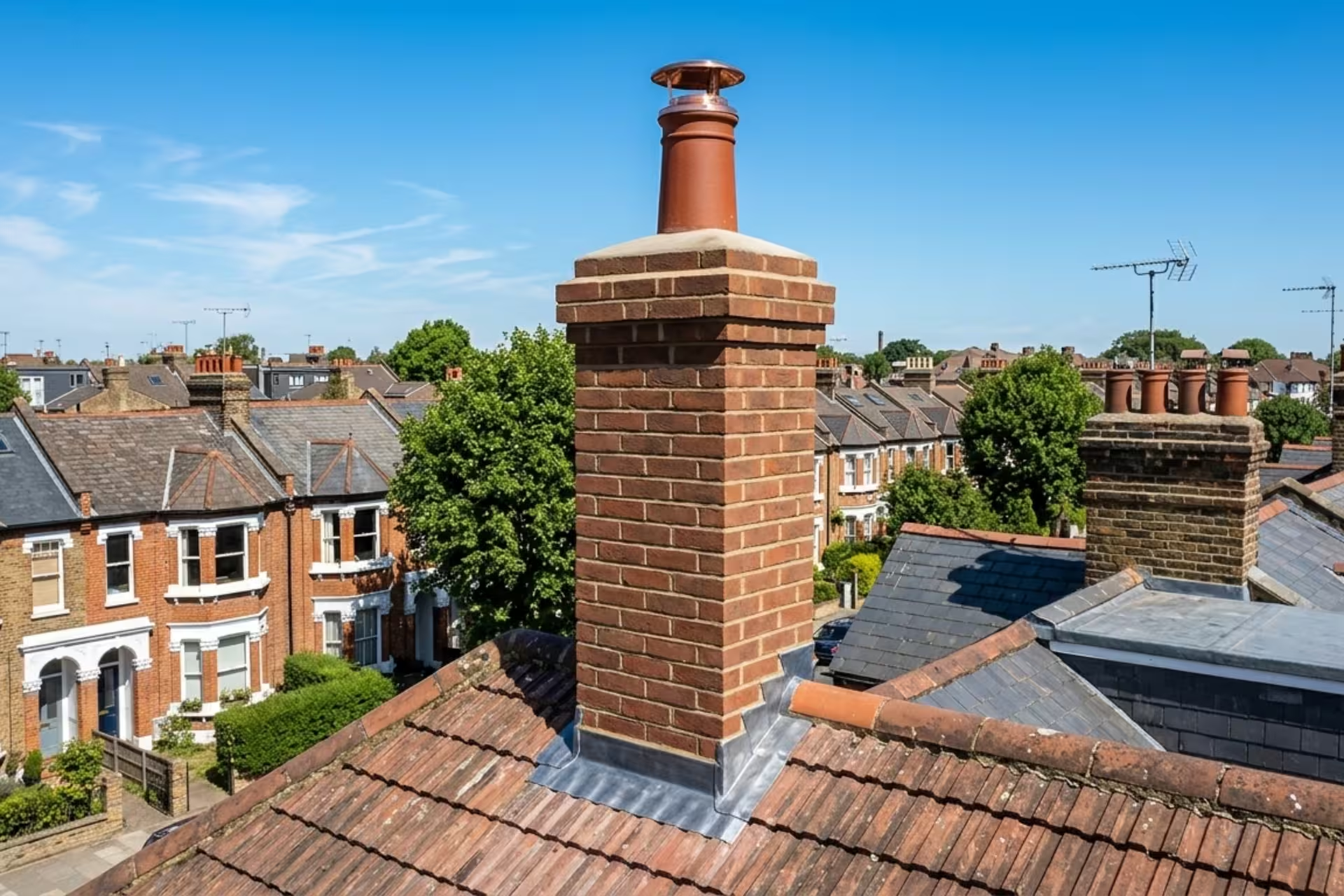
Small brickwork problems can become more serious if water enters the wall and continues damaging the masonry. Early repair helps prevent larger issues and can often reduce the need for more costly rebuilding work later.
Timely brickwork repairs can help:
- Prevent water ingress
- Reduce damp risks
- Stabilise loose masonry
- Protect surrounding bricks
- Improve external appearance
- Extend the life of garden and boundary walls
- Reduce future repair costs
- Protect chimney and roofline brickwork
- Preserve older London properties
The key is to repair the cause of the damage, not just the visible symptom.
Brickwork Repairs vs Rebuilding
Not every damaged wall needs rebuilding. Many issues can be solved with targeted repair, brick replacement or repointing. However, rebuilding may be needed if the wall is unstable.
Brickwork Repairs May Be Enough When
- Only a few bricks are cracked
- Mortar has failed in a limited area
- The wall is generally stable
- Damage is localised
- Loose bricks can be reset
- The main issue is weather-worn pointing
Rebuilding May Be Needed When
- The wall is leaning
- Large sections are loose
- The structure is unstable
- Cracks are wide or spreading
- A garden wall has moved significantly
- Boundary wall masonry is unsafe
- Previous repairs have failed repeatedly
A professional assessment can help decide whether repair or rebuilding is the safer option.
How MR Chimney Repairs Can Help
MR Chimney Repairs provides professional brickwork repairs London and brickwork repairs North London for homes, rental properties, garden walls, boundary walls, chimney brickwork and roofline masonry.
Our services include:
- Brickwork repairs
- Brick repairs
- Masonry repairs
- Cracked brick repair
- Damaged brickwork repair
- Mortar joint repairs
- Brick repointing
- Garden wall repairs
- Boundary wall repairs
- Chimney brickwork repairs
- Roofline masonry repairs
- High-level brickwork repairs
Based at 2 Caddington Rd, London NW2 1SR, MR Chimney Repairs is led by Michael Rock, who has more than 35 years of personal experience in chimney, brickwork and pointing services. The family business has more than 50 years of trade history, serving North London and surrounding areas.
We cover Cricklewood, Willesden, Hampstead, West Hampstead, Swiss Cottage, Finchley, East Finchley, Golders Green, Hendon, Highgate, Hornsey, Crouch End, Muswell Hill, Barnet, Edgware, Harrow, Kenton, Stanmore, Middlesex, Acton, Ealing and wider North London.
Book Brickwork Repairs in London
If your exterior brickwork is cracked, loose, weather-damaged, missing mortar or showing signs of damp, MR Chimney Repairs can help.
For trusted brickwork repairs London, brick repairs London, masonry repairs London, cracked brick repair, damaged brickwork London and brickwork repairs North London, contact MR Chimney Repairs today.
Call: 07751362934
Email: info@mrchimneyrepairs.co.uk
Address: 2 Caddington Rd, London NW2 1SR, United Kingdom