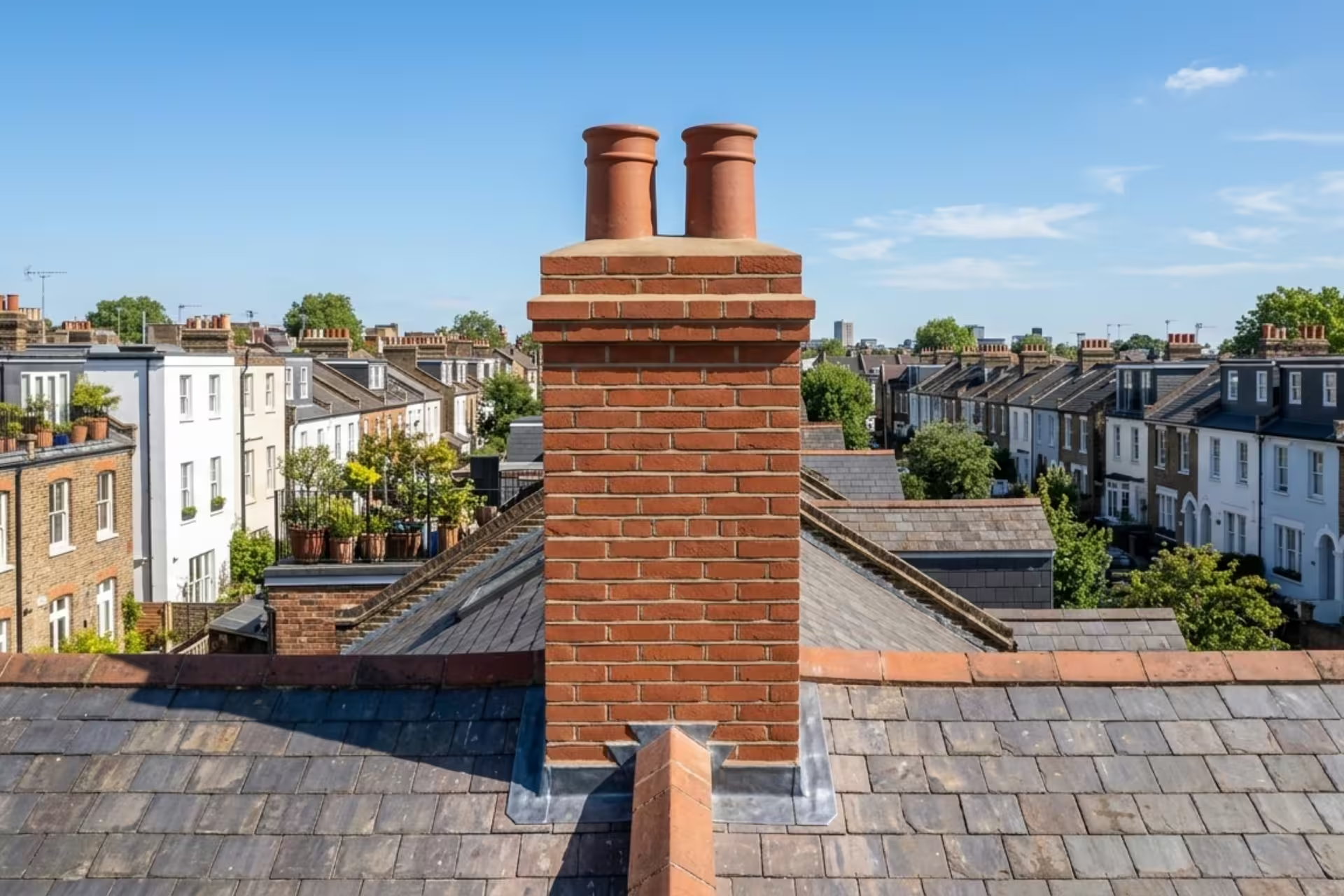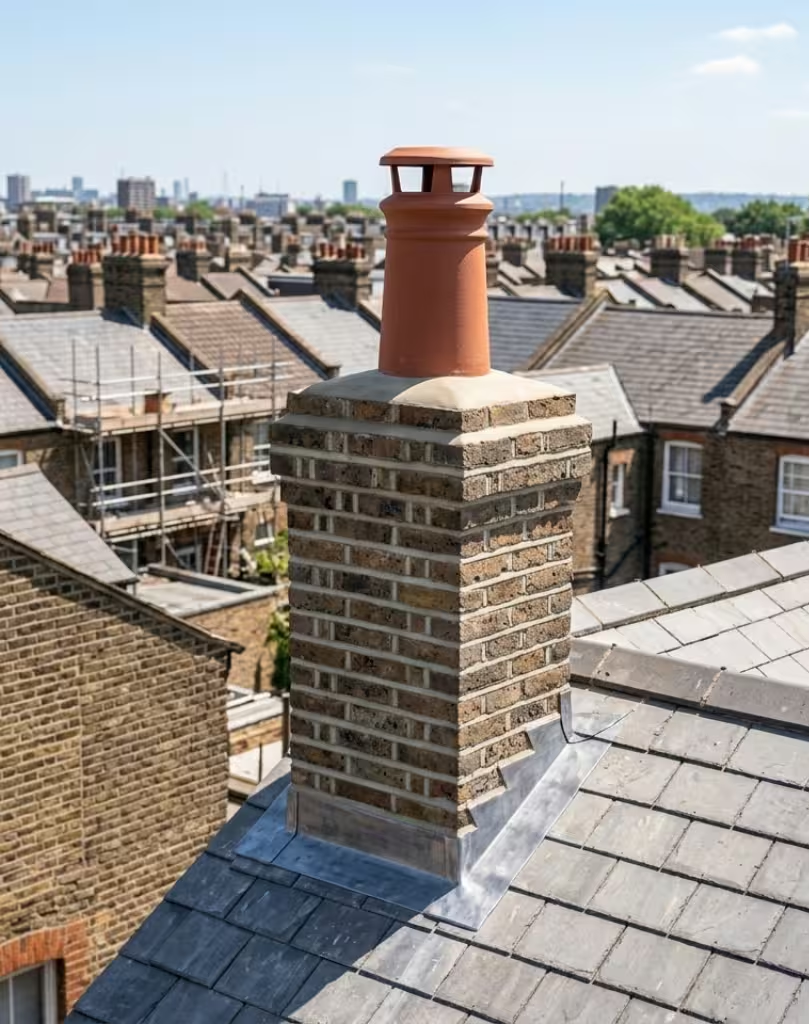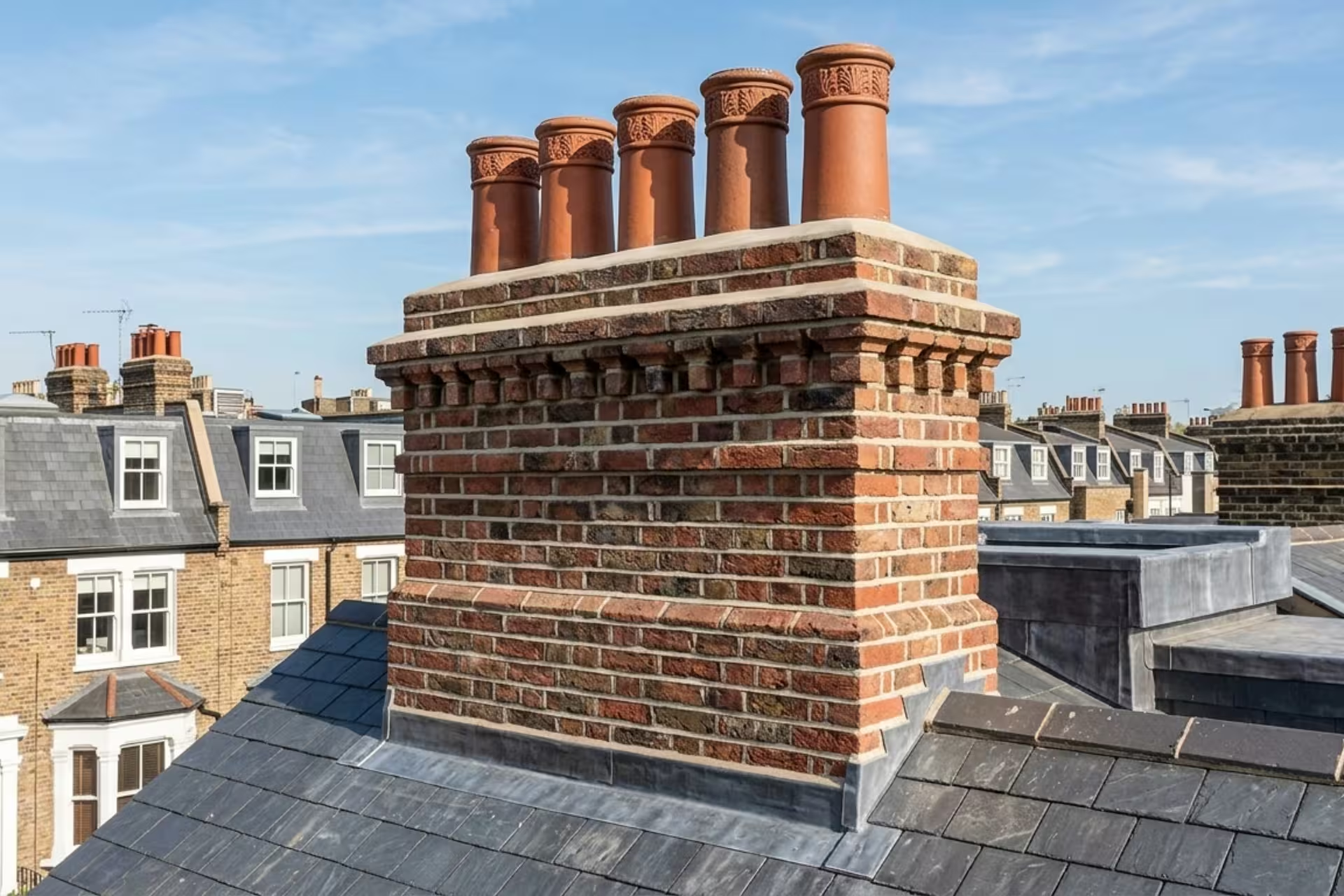
Chimney pots sit at the very top of your chimney stack, exposed to rain, frost, wind, storms and constant temperature changes. Because they are so exposed, they can become cracked, loose, leaning or unstable over time. The mortar around them can also fail, allowing water into the chimney and weakening the top of the stack.
For many London homeowners, the question is simple: does the chimney pot need replacing, or can it be repointed or reset?
The answer depends on the condition of the chimney pot, the surrounding mortar, the flaunching and the brickwork at the top of the stack. A sound chimney pot with loose mortar may only need repointing or resetting. A cracked, broken or unsafe pot may need full replacement.
MR Chimney Repairs provides professional chimney pot replacement London, chimney pot repointing London, chimney pot repairs, loose chimney pot repair, chimney flaunching repair and chimney pot replacement services across London and North London.
This guide explains the difference between chimney pot replacement, repointing and resetting, and helps you understand when each option may be needed.
Why Chimney Pots Matter
Chimney pots are not just decorative features. They sit above the chimney stack and help finish the top of the flue. On many older London homes, they are also part of the building’s character and roofline appearance.
A chimney pot should be secure, upright and properly bedded into the top of the stack. If it becomes loose or cracked, it can create two main problems:
- Safety risk: a loose or unstable pot can move during high winds.
- Water ingress: gaps around the pot can allow rainwater into the chimney stack.
The Society for the Protection of Ancient Buildings advises that chimney pots should remain well-seated and secure, and explains that they can become unstable when the surrounding mortar, known as flaunching, deteriorates.
What Is Chimney Pot Repointing?
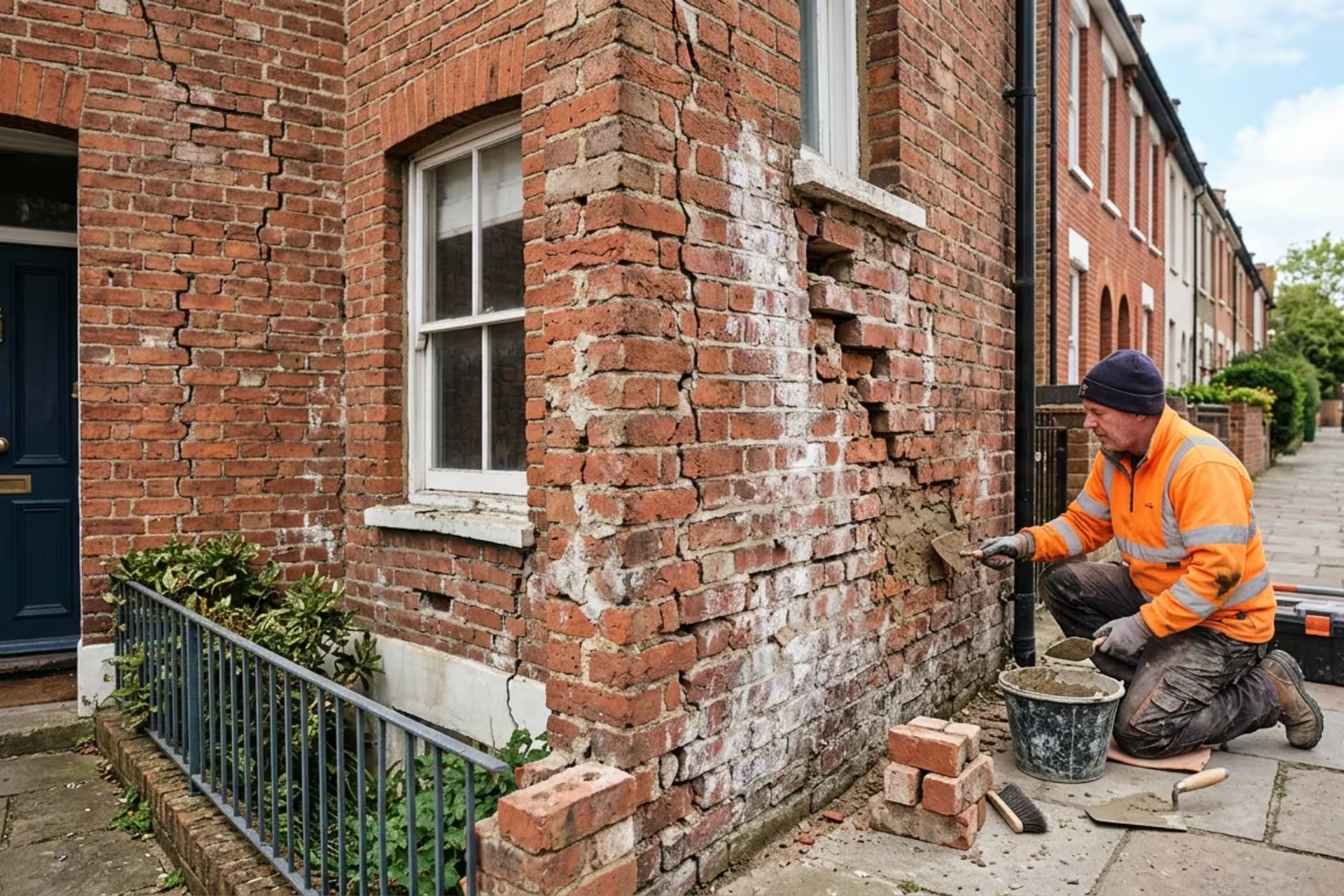
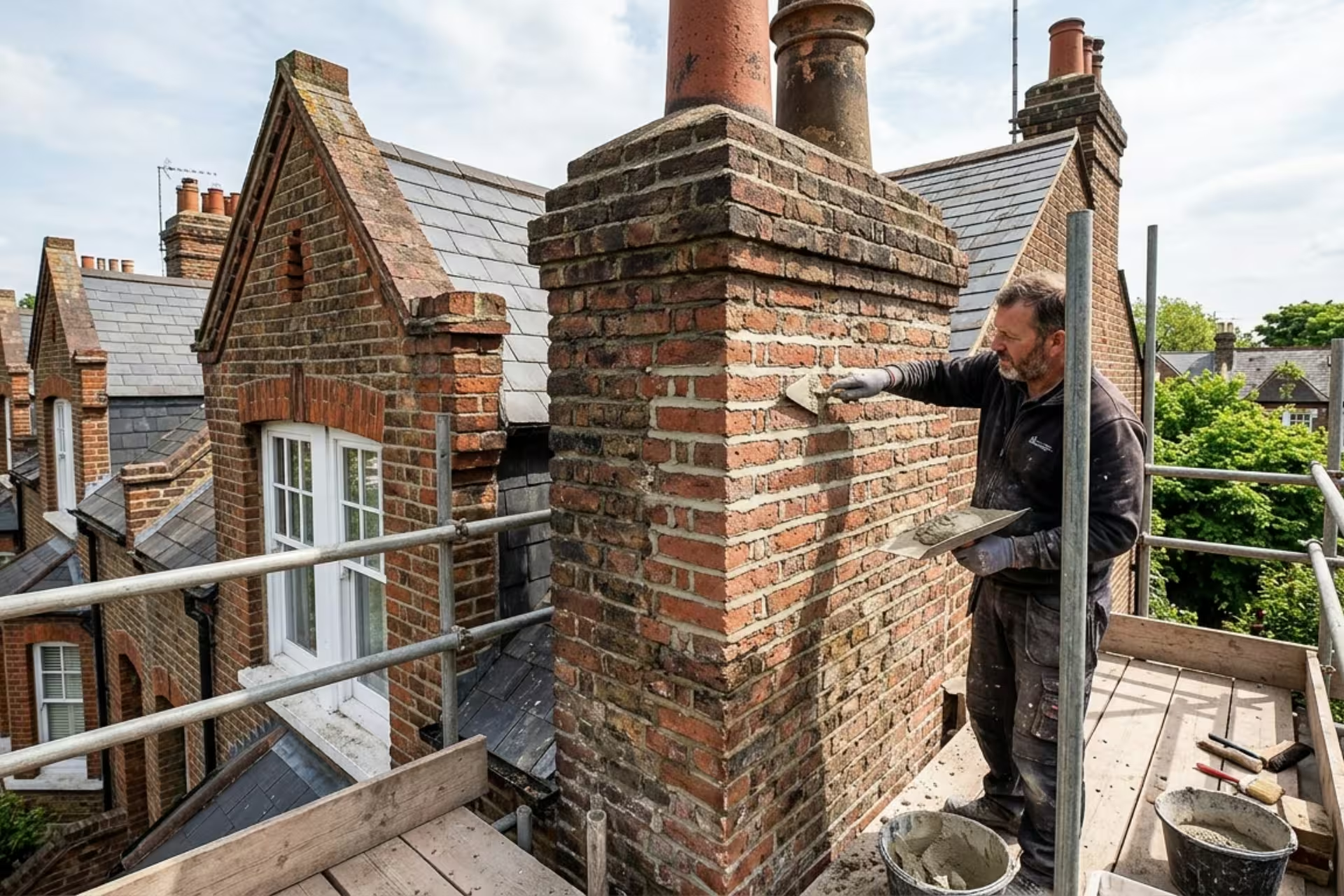
Chimney pot repointing means renewing the mortar around the base of the chimney pot where the existing mortar has cracked, loosened or fallen away. This is usually suitable when the chimney pot itself is still in good condition, but the mortar around it is failing.
You may need chimney pot repointing if:
- The chimney pot is still intact
- The pot is not cracked or broken
- Mortar around the pot is loose or missing
- Small gaps are visible around the pot base
- The pot is slightly loose but still reusable
- Flaunching has minor cracking
- Water may be entering through open mortar joints
Repointing can help secure the pot and improve weather resistance. It can also help prevent rainwater from entering the chimney stack through gaps around the pot.
For older buildings, SPAB notes that mortar used for renewing flaunching should usually be lime-based, just like pointing on traditional masonry.
What Is Chimney Pot Resetting?
Chimney pot resetting is needed when the chimney pot has become loose, moved slightly or is no longer properly seated, but the pot itself is still usable.
Resetting may involve lifting or adjusting the pot, preparing the surrounding area, re-bedding it securely and renewing the mortar or flaunching around the base.
You may need chimney pot resetting if:
- The pot is leaning but not cracked
- The pot has moved from its original position
- The mortar around the base has failed
- The pot can be reused safely
- The surrounding brickwork is still stable
- The flaunching needs renewal around the pot
Resetting is often a good option when the pot is sound but has become loose due to failed mortar or weather damage.
What Is Chimney Pot Replacement?
Chimney pot replacement is required when the existing pot is cracked, broken, missing, badly weathered or unsafe to reuse. In these cases, repointing or resetting may not be enough.
You may need chimney pot replacement in London if:
- The chimney pot is cracked
- The pot is broken or missing
- The pot has become unsafe
- The pot is badly weathered
- The pot is leaning and cannot be reset safely
- Storm damage has moved or damaged the pot
- The pot has dropped or shifted badly
- The chimney top is unstable
- Previous pot repairs have failed
SPAB’s technical guidance states that loose chimney pots should be re-bedded in lime mortar and that cracked pots on flues in use should be replaced. It also explains that old iron supports can corrode and cause cracking at the tops of stacks or allow a pot to drop.
What Is Chimney Flaunching?
Flaunching is the sloped mortar at the top of the chimney stack around the chimney pots. Its job is to hold the pots securely and help rainwater run away from the chimney openings.
When flaunching fails, the chimney pot can become loose and water can enter the top of the stack.
You may need chimney flaunching repair if:
- The mortar around the chimney pot is cracked
- Flaunching is loose, soft or crumbling
- Water is entering through the chimney top
- Chimney pots appear unstable
- Mortar has fallen away from the pot base
- The top of the chimney looks uneven or broken
- Damp appears around the chimney breast
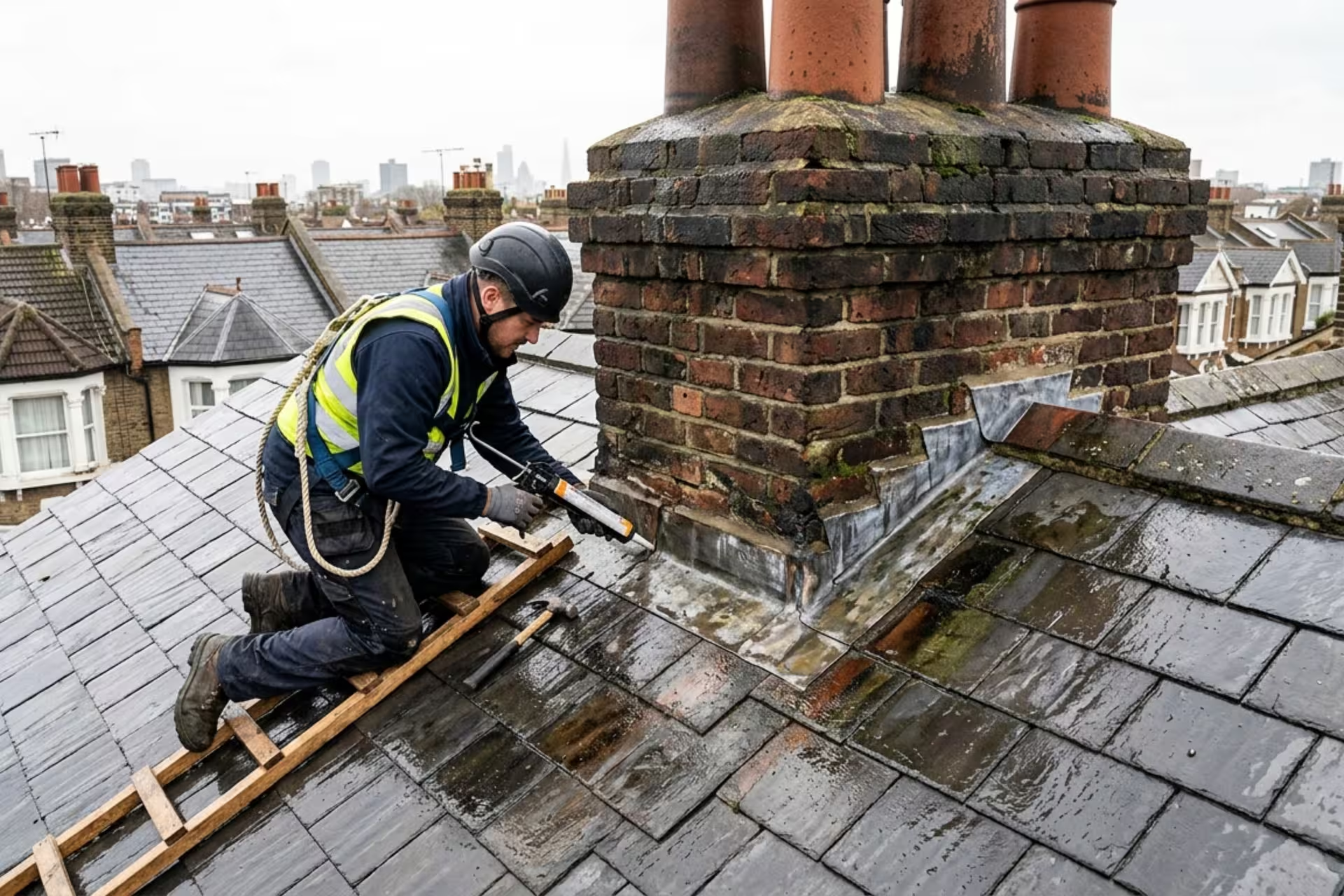
SPAB advises that mortar fillets, lead flashings and other chimney weatherings should be maintained to prevent water penetration, and that cracked mortar fillets should be repointed or re-formed if cracking is extensive.
Signs Your Chimney Pot Needs Attention
Chimney pot damage is not always easy to spot from the ground. However, there are several warning signs that suggest the pot, flaunching or chimney top should be checked.
Look out for:
- A visibly leaning chimney pot
- A cracked or broken chimney pot
- Missing mortar around the pot
- Cracked flaunching
- A chimney pot that looks loose
- Pieces of mortar falling from the stack
- Damp around the chimney breast
- Water stains near the fireplace or ceiling
- Vegetation growing near the chimney top
- Loose brickwork around the pot
- Storm damage after high winds
- A missing or badly weathered chimney pot
If you notice any of these signs, it is best to arrange a professional inspection before the problem becomes more serious.
Can a Loose Chimney Pot Be Repaired?
Yes, a loose chimney pot can sometimes be repaired if the pot itself is still in good condition. In many cases, the problem is not the pot but the failed mortar or flaunching around it.
A loose chimney pot may be repaired by:
- Removing loose mortar
- Resetting the pot
- Re-bedding the pot securely
- Repointing around the pot
- Repairing or renewing the flaunching
- Checking nearby brickwork for movement
However, if the pot is cracked, badly damaged or unsafe, replacement may be the better option. A loose pot should not be ignored because movement can worsen during storms or high winds.
When Repointing Is Usually Enough
Chimney pot repointing may be enough when the pot is sound and the damage is limited to mortar failure around the base.
Repointing may be suitable when:
- The chimney pot is not cracked
- The pot is upright and mostly stable
- The mortar around the base is failing
- Flaunching damage is minor
- Water entry appears to be from open mortar joints
- Surrounding brickwork is stable
- The pot can be secured without replacement
In this situation, repointing can restore support around the base of the pot and improve weather protection.
When Resetting Is the Better Option
Resetting may be better than simple repointing when the pot has moved but is still reusable. This is often needed when the pot is leaning or no longer properly seated.
Resetting may be suitable when:
- The pot is loose but not broken
- The pot has shifted slightly
- The base mortar has failed
- The pot can be re-bedded safely
- Flaunching needs renewal
- The chimney top is otherwise stable
Resetting is more involved than repointing because the pot needs to be secured properly, not just patched around the edges.
When Replacement Is Needed
Replacement is usually needed when the chimney pot itself is no longer safe or suitable for reuse.
Chimney pot replacement may be needed when:
- The pot is cracked
- The pot is broken
- The pot is missing
- The pot has become unsafe
- The pot is badly weathered
- The pot has been damaged by storms
- The pot cannot be reset securely
- The top of the stack needs more detailed repair
- The flaunching and pot have both failed badly
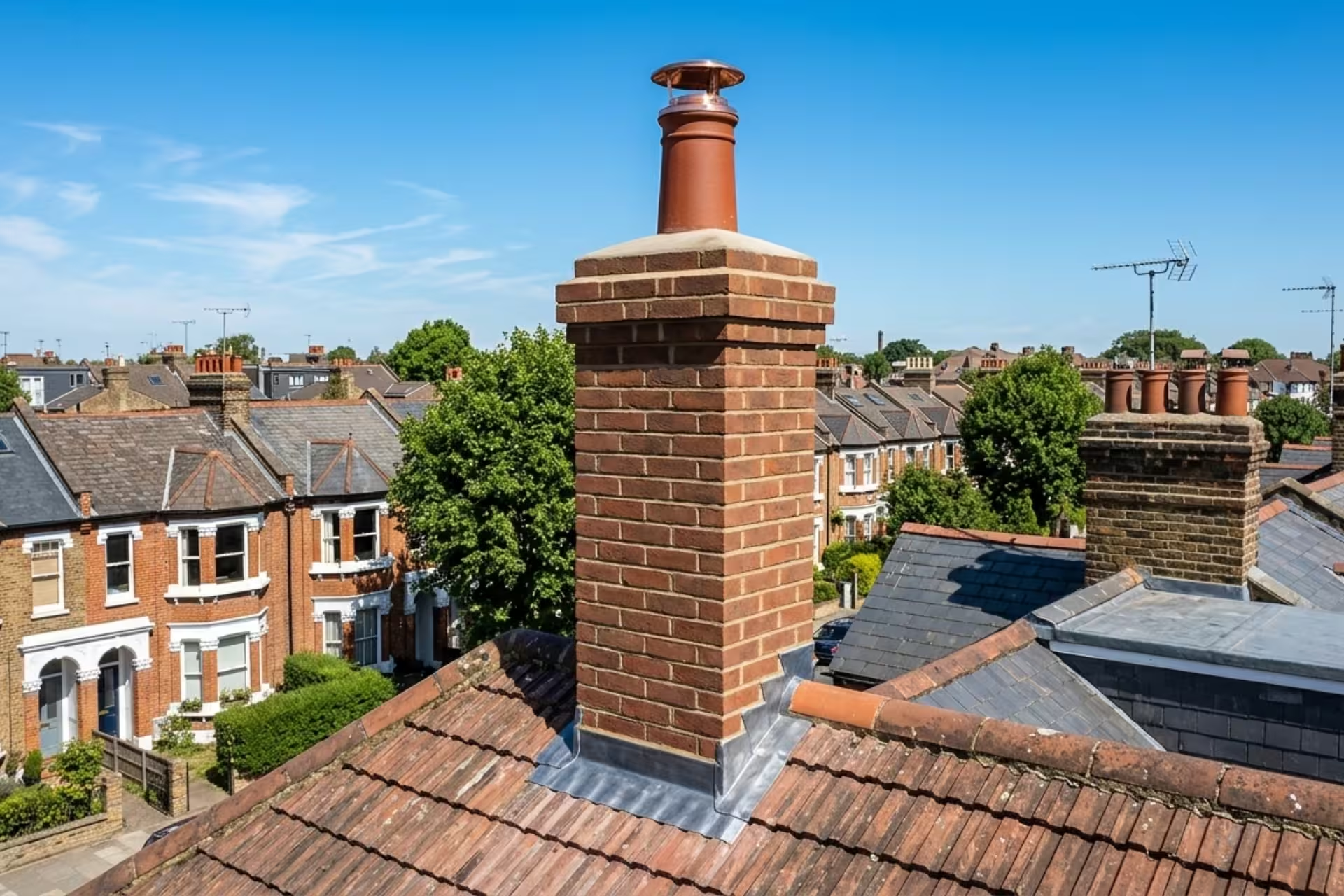
Where possible, replacement chimney pots should suit the property’s appearance, especially on older London homes where pots are part of the traditional roofline.
Chimney Pot Damage and Water Ingress
A damaged or loose chimney pot can allow water into the stack. This can eventually lead to damp, staining and internal damage around the chimney breast.
Water may enter through:
- Cracks in the pot
- Gaps around the pot base
- Failed flaunching
- Open joints at the chimney top
- Loose brickwork around the pot
- Missing or damaged chimney caps
SPAB’s technical guidance explains that disintegration of flaunching at the top of chimneys can admit rainwater. It also notes that damp patches on old chimney breasts are often caused by poor structural condition of stacks and adjoining roofs, allowing rainwater to soak into the masonry.
Storm Damage and Loose Chimney Pots
Strong winds and storms can make existing chimney pot problems worse. A pot that was already slightly loose may shift further, lean more noticeably or loosen the surrounding flaunching.
After bad weather, you should look for:
- New damp patches
- Fresh mortar on the roof or ground
- A pot that appears tilted
- Cracks around the chimney top
- Missing or displaced chimney caps
- Loose masonry near the stack
- New water stains indoors
If you suspect storm damage, avoid trying to inspect the roof yourself. Chimney pot work takes place at height and needs safe access.
Do Chimney Pot Repairs Need Scaffolding?
Many chimney pot repairs need scaffolding because the work is carried out above roof level. This is especially likely when the chimney stack is tall, the roof is steep, the pot is unstable or the flaunching needs repair.
The Health and Safety Executive says roof work is highly dangerous, even when a job only takes a few minutes, and that proper precautions are needed to control the risk. HSE also explains that falls from height remain one of the biggest causes of workplace fatalities and major injuries.
Scaffolding may be needed for:
- Chimney pot replacement
- Chimney pot repointing
- Chimney pot resetting
- Flaunching repairs
- Chimney top repairs
- Work on tall chimney stacks
- Repairs on pitched roofs
- High-level brickwork around chimney pots
Safe access allows the work to be completed properly and reduces risk for the people carrying out the repairs.
Do You Need Planning Permission to Replace Chimney Pots?
Most like-for-like chimney pot repairs and replacements are usually maintenance work. However, planning rules may need checking if the chimney, flue or external appearance is being altered.
The Planning Portal states that fitting, altering or replacing an external flue, chimney or soil and vent pipe is normally considered permitted development, not requiring planning permission, provided the relevant rules and conditions are met.
You should check further if:
- The property is listed
- The property is in a conservation area
- The chimney height is changing
- The appearance of the chimney is changing
- The property is a flat or converted building
- The work affects a shared chimney stack
- A new flue terminal or different pot type is being installed
For standard chimney pot repair or like-for-like replacement, many homeowners will not need planning permission, but it is always sensible to check if the property has restrictions.
Chimney Pot Repairs for Older London Homes
Many older London homes have clay, terracotta or traditional-style chimney pots that contribute to the property’s character. In areas such as Hampstead, Highgate, Finchley, Crouch End, Muswell Hill, West Hampstead, Swiss Cottage and Golders Green, chimney pots are often a visible part of the roofline.
Older chimneys may have:
- Aged mortar
- Weathered brickwork
- Traditional chimney pots
- Failed flaunching
- Previous cement repairs
- Loose upper brickwork
- Water ingress around the pot base
For older properties, the repair should be suitable for the age and condition of the chimney. The goal is to secure the pot, protect the stack and keep the finish sympathetic to the property.
Chimney Pot Repointing vs Replacement: Quick Guide
| Chimney Pot Issue | Repointing May Be Enough | Resetting May Be Needed | Replacement May Be Needed |
| Loose mortar around pot | Yes | Sometimes | Not usually |
| Pot slightly loose but sound | Sometimes | Yes | Not usually |
| Pot leaning but not cracked | Sometimes | Yes | Sometimes |
| Pot cracked | No | No | Yes |
| Pot broken or missing | No | No | Yes |
| Minor flaunching cracks | Yes | Sometimes | Not usually |
| Failed flaunching with loose pot | Sometimes | Yes | Sometimes |
| Storm-damaged pot | Depends | Sometimes | Often |
| Pot unsafe or unstable | No | Sometimes | Often |
| Surrounding stack unstable | No | Maybe, after stack repair | Maybe, with wider chimney repairs |
This table is only a general guide. The right option depends on the condition of the pot, flaunching and surrounding chimney brickwork.
How MR Chimney Repairs Can Help
MR Chimney Repairs provides professional chimney pot repairs and replacement across London and North London.
Our services include:
- Chimney pot replacement
- Chimney pot repointing
- Chimney pot repairs
- Loose chimney pot repair
- Chimney pot resetting
- Chimney flaunching repair
- Chimney top repairs
- Chimney brickwork repairs
- Chimney repointing
- Scaffolding support for chimney work
Based at 2 Caddington Rd, London NW2 1SR, MR Chimney Repairs is led by Michael Rock, who has more than 35 years of personal experience in chimney, brickwork and pointing services. The family business has more than 50 years of trade history, serving North London and surrounding areas.
We cover Cricklewood, Willesden, Hampstead, West Hampstead, Swiss Cottage, Finchley, East Finchley, Golders Green, Hendon, Highgate, Hornsey, Crouch End, Muswell Hill, Barnet, Edgware, Harrow, Kenton, Stanmore, Middlesex, Acton, Ealing and wider North London.
Book Chimney Pot Replacement or Repointing in London
If your chimney pot is loose, cracked, leaning, storm-damaged or surrounded by failing mortar, MR Chimney Repairs can help you decide whether repointing, resetting or replacement is the right option.
For trusted chimney pot replacement London, chimney pot repointing London, chimney pot repairs, loose chimney pot repair, chimney flaunching repair and chimney pot replacement near me, contact MR Chimney Repairs today.
Call: 07751362934
Email: info@mrchimneyrepairs.co.uk
Address: 2 Caddington Rd, London NW2 1SR, United Kingdom